Explore spider control services
 01
Black Widow and Brown Recluse
Confirming the species comes first. If a widow or, in their range, a recluse turns up, the plan shifts to treating hiding spots, checking traps and a follow-up visit.
Explore this service 02
Web and Egg-Sac Removal
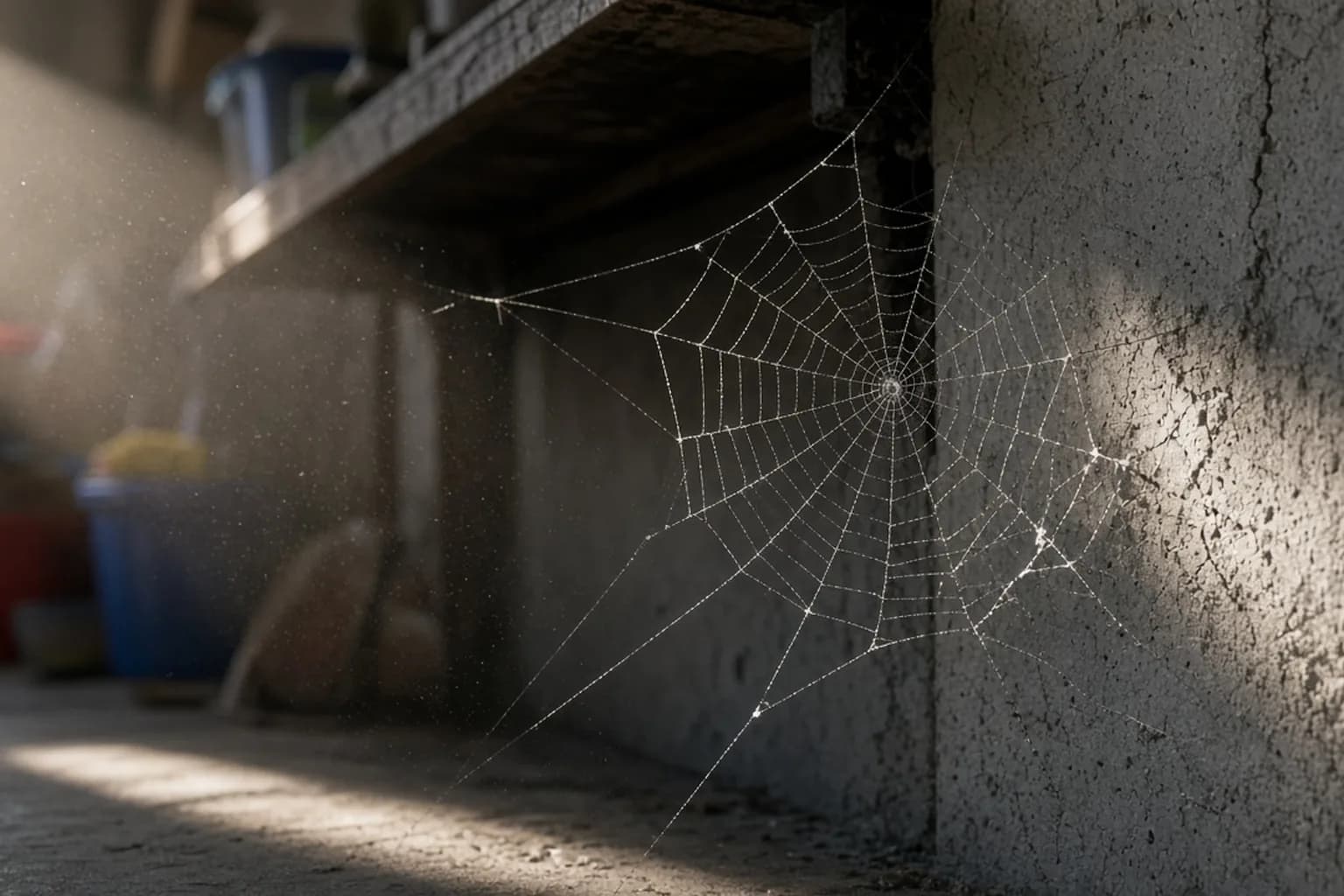
Eaves, soffits, porch ceilings, window frames and sheds get brushed or vacuumed clean before anything is applied. Egg sacs come down too, which is what keeps the webs from coming right back.
Explore this service 03
Sealing Spiders Out
Door sweeps, screen repair, mesh over weep holes and sealed utility gaps keep spiders and their prey outside. It's the part of the job that pays off longest.
Explore this service 04
Spider Control for Businesses
Warehouses, stockrooms, restaurants and storefronts. Regular exterior service keeps webs off entrances and loading areas, and a plan that fits around your hours.
Explore this serviceWhy do spiders keep coming back?
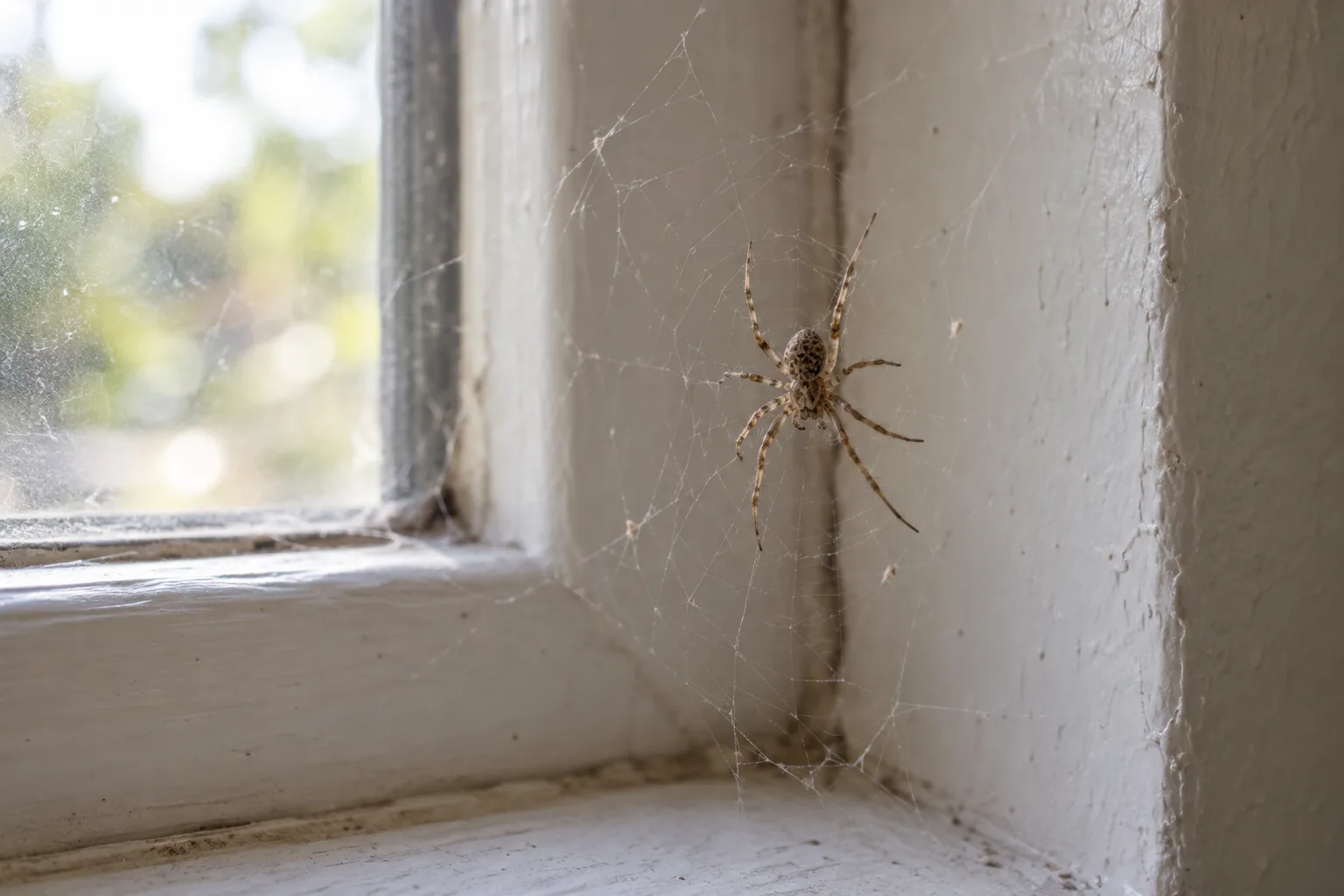
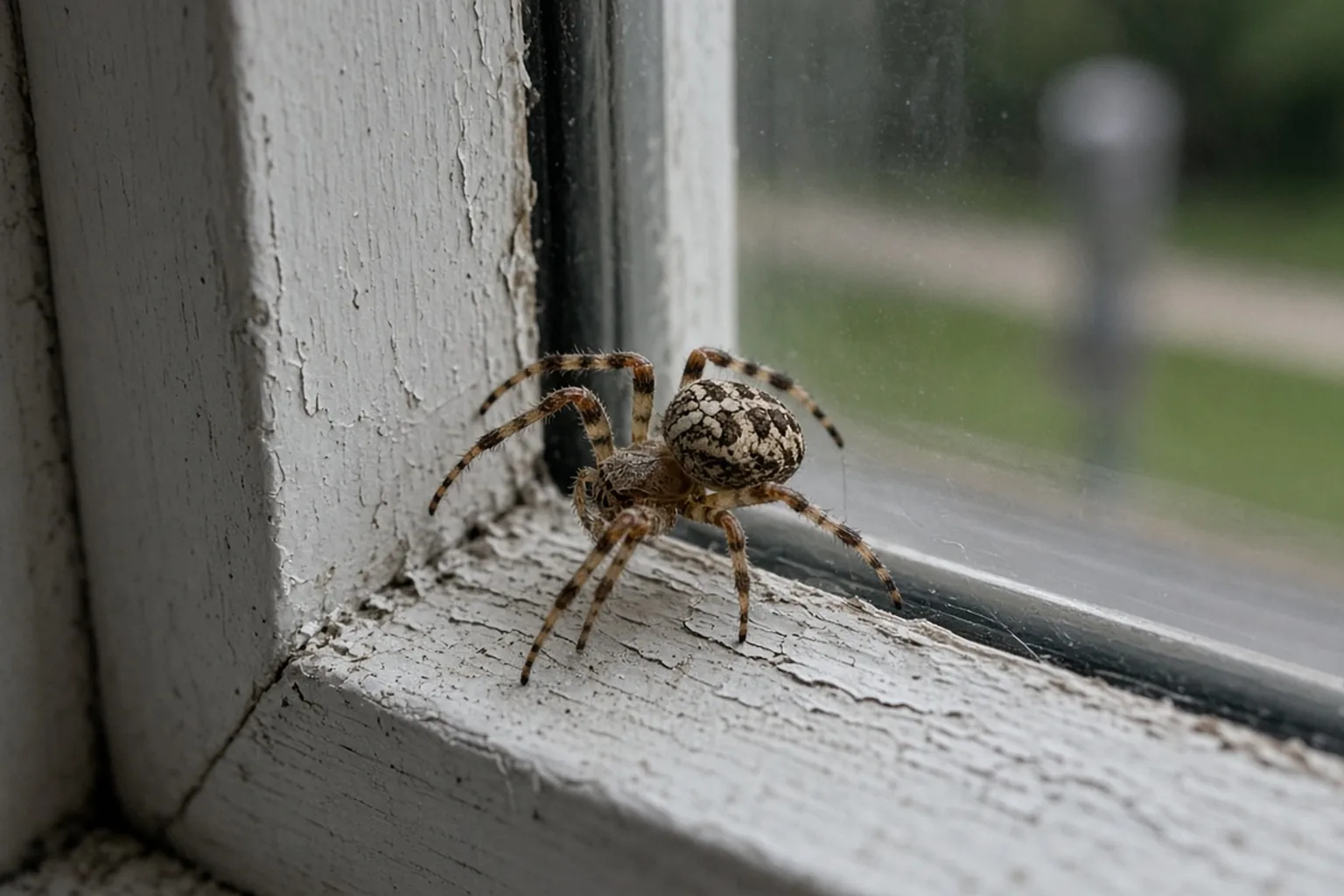
Seeing more webs than usual, a big spider in the tub, or something you think might be a black widow? Start by figuring out what you're looking at. The answer decides everything else, from whether you need anyone at all to what a fair quote should include.
Good spider work isn't mostly spraying. It's brushing down webs and egg sacs, treating the cracks and voids spiders retreat to, sealing the gaps they use to get in, and cutting back the insects they came for. Done together, that keeps numbers low for a season, not a week.
Below you'll find how to tell a nuisance spider from one worth taking seriously, what treatment usually costs, and how to get a quote that spells out the work.
What kind of spider problem are you seeing?
Webs back within days of cleaning
A corner that fills with fresh silk right after you clear it means the spider is still close by, usually in a gap or behind something stored. It also means there's food around for it.
Spiders in the tub or sink in late summer
Those are usually wandering males, often wolf or grass spiders, that fell in and can't climb the slick sides. It's seasonal, and it's not a sign they came up the drain.
A strong, messy web low to the ground
A tangled, tough web under a deck, in a woodpile, in a meter box or behind stacked items is where a black widow sets up. Don't reach in. Look with a flashlight and gloves, and ask a pro to confirm.
What should you ask before booking?
Ask what the visit includes, how much it costs, and whether a follow-up is included. It’s also helpful to know what you’ll need to do before treatment and when you can use the area again.
Have children or pets at home? Mention them when discussing treatment. For a business, let the company know your opening hours so you can talk about a convenient time to visit.
How spider activity changes through the year
- Spring: Egg sacs laid last year start hatching and spiders spread out as the insects they eat return, so this is a good time to brush down old webs and fix screens.
- Summer: Outdoor web-builders reach full size around porch lights, eaves and garden plants, and the insects drawn to those lights keep them fed.
- Fall: Mature males go looking for mates and wander indoors, which is why the biggest spiders of the year show up in tubs, garages and basements from late summer on.
- Winter: Most outdoor spiders die off or go dormant, while cellar spiders and a few others keep going in heated basements and quiet storage rooms.
Keep exploring your options
- Venomous Spider Removal — Brown recluse and black widow identification and targeted elimination — protect your family from dangerous bites.
- Web Removal & De-webbing — Complete exterior and interior web removal with residual treatments that keep spiders from rebuilding.
- Spider Exclusion — Seal entry points, install door sweeps, and treat foundation perimeters to stop spiders before they enter.
- Commercial Spider Control — Warehouses, retail spaces, and offices — keeping your business spider-free and your customers comfortable.
- Contact and quote request — ask a question or request a quote.