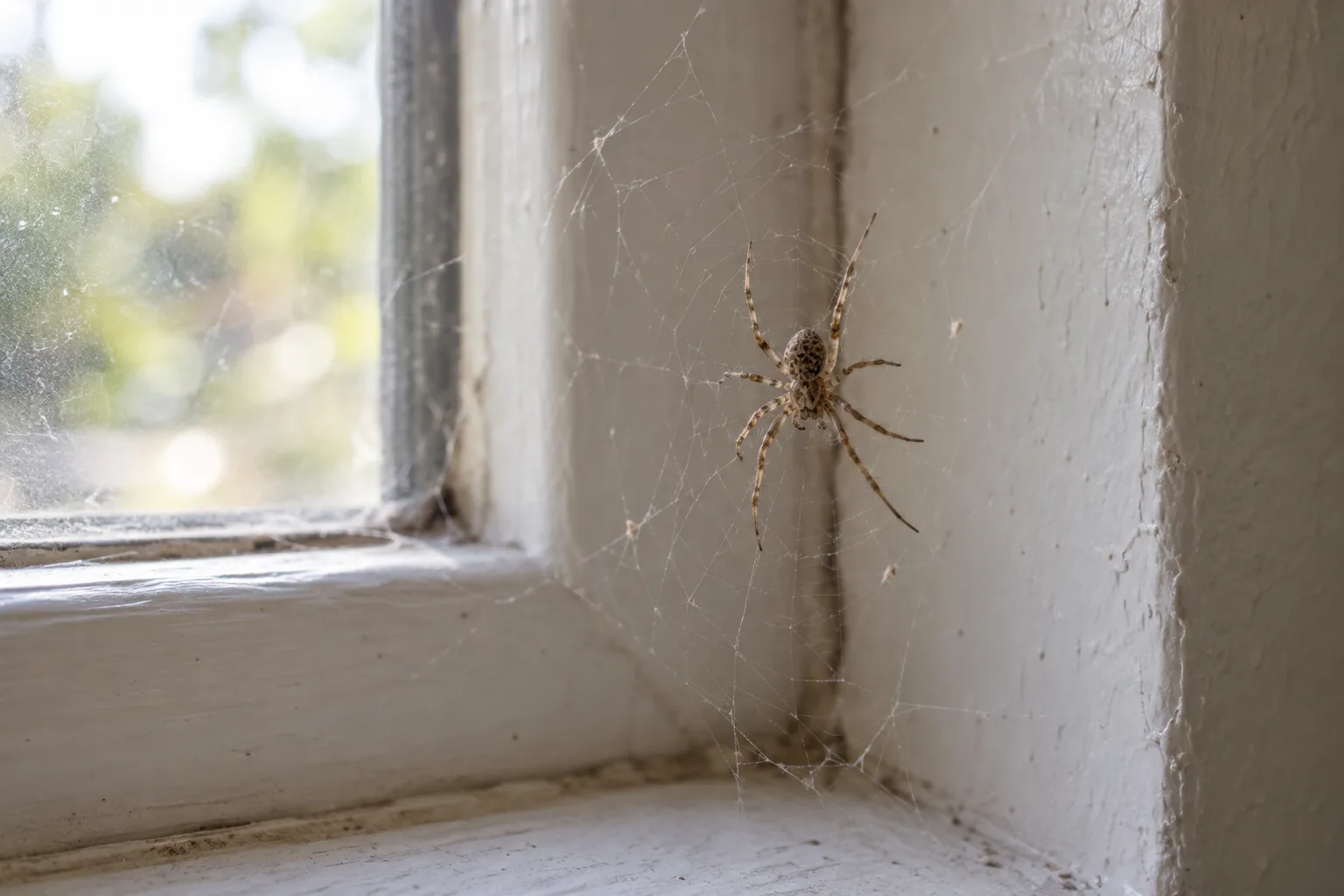
A closer look

Spider Control for Businesses

Warehouses, stockrooms, restaurants and storefronts. Regular exterior service keeps webs off entrances and loading areas, and a plan that fits around your hours.

Ask a question or get a quote ↗
Spider Control for Businesses

Where to start

Tell the company where you've noticed spiders, how long it has been happening, and anything you've already tried. Photos and a short timeline give the inspector a useful starting point.

What to discuss during the inspection

Ask which areas need checking, what was found, and which treatment options fit. Have the inspector explain how to prepare and what follow-up may be needed.

What affects the quote

Access to the affected areas, how far the problem has spread, and the number of visits all affect the work involved. Ask what is included so you can compare the options.

Questions to ask before you book

How do you confirm it's spiders?

Ask what the provider saw and how that diagnosis was reached before any work is authorized.

What will you do, and why?

Have the provider explain each step, the products used, and why that approach fits this property.

What preparation do I need?

Clear access to the affected areas and follow any written preparation and re-entry instructions.

What does the price include?

Confirm inspection fees, the number of visits, and any follow-up or warranty terms in writing.

What to look for

Webs back within days of cleaning

A corner that fills with fresh silk right after you clear it means the spider is still close by, usually in a gap or behind something stored. It also means there's food around for it.

Spiders in the tub or sink in late summer

Those are usually wandering males, often wolf or grass spiders, that fell in and can't climb the slick sides. It's seasonal, and it's not a sign they came up the drain.

A strong, messy web low to the ground

A tangled, tough web under a deck, in a woodpile, in a meter box or behind stacked items is where a black widow sets up. Don't reach in. Look with a flashlight and gloves, and ask a pro to confirm.

When it happens through the year

spring

Egg sacs laid last year start hatching and spiders spread out as the insects they eat return, so this is a good time to brush down old webs and fix screens.

summer

Outdoor web-builders reach full size around porch lights, eaves and garden plants, and the insects drawn to those lights keep them fed.

fall

Mature males go looking for mates and wander indoors, which is why the biggest spiders of the year show up in tubs, garages and basements from late summer on.

winter

Most outdoor spiders die off or go dormant, while cellar spiders and a few others keep going in heated basements and quiet storage rooms.

Frequently asked questions

Are the spiders in my house dangerous?
Rarely. Of the many spiders that turn up in U.S. homes, only black widows and, where they live, brown recluses have venom that seriously affects people. Everything else is a nuisance at worst, and most are quietly eating flies and other pests.
Why are there suddenly so many spiders in fall?
Mature males are out looking for mates, and your house is in their path. Late summer and fall bring the largest spiders of the year indoors, especially wolf spiders and grass spiders, which end up in tubs they can't climb out of. It passes on its own.
Will a fogger or bug bomb get rid of spiders?
No. Foggers coat every surface in a room, but spiders sit in cracks, corners and voids the fog never reaches. A vacuum, a pole brush and a targeted crack-and-crevice treatment do far more.
What does spider treatment usually cost?
Published ranges for a one-time spider service, with inspection, web removal and an exterior perimeter treatment, typically run about $150 to $350. Sealing gaps, repairing screens and confirmed widow or recluse work push the total higher. A good quote lists each part.
Is spider treatment safe for pets and children?
Generally yes, with normal precautions. Products go on cracks, voids and exterior surfaces rather than living areas, and your pro should tell you how long to keep everyone off treated spots, usually until they're dry. Mention pets, toddlers or anyone with sensitivities before the visit.
Do I really need to call anyone?
Often not. A vacuum, door sweeps, fewer bugs at the porch light and regular web sweeping handle most of it. Call a pro when a widow or recluse is confirmed, when webs cover the eaves faster than you can safely reach them, or when someone in the house is genuinely distressed.

Related services

Ready to talk to a provider?

Describe what you've noticed and ask about an inspection or a quote.

Ask a question or get a quote

Ready to Get Rid of Spiders?

Tell us what you’ve noticed and where you need help. Ask about an inspection or a quote.

Or call +1 888 546 7983 to talk about your pest problem.