Around New Jersey
Conditions vary across the state. Choose your city below, then describe what’s happening around your home or business.
Local spider information
Learn what to look for around your property, explore your city, and ask about an inspection or a quote.
Conditions vary across the state. Choose your city below, then describe what’s happening around your home or business.
Where you see spiders, how long it has been going on, and anything you’ve already tried are the most useful details to mention.
Ask about an inspection, what treatment would involve, and whether follow-up visits are included. You don’t need to identify the problem yourself before getting in touch.
Before you compare quotes, it helps to know which spiders actually live in New Jersey, when they are busiest, and what the state figures look like. Everything below links to the agency or university page it came from.
Rutgers Cooperative Extension's fact sheet for New Jersey homeowners narrows the field to two genera.
Rutgers New Jersey Agricultural Experiment Station Cooperative ExtensionNew Jersey sits far outside the core recluse range.
Rutgers New Jersey Agricultural Experiment Station Cooperative ExtensionTheir bites 'rarely result in more than localized redness and burning sensation,' lasting hours to at most two days.
Rutgers New Jersey Agricultural Experiment Station Cooperative ExtensionYellow sac spiderlings overwinter and mature in May-June; they enter structures through faulty screens, loose-fitting doors, vents, utility lines and plants brought inside (Rutgers NJAES).
Rutgers NJAES: 'Spiders, including widow spiders and recluse spiders, are generally timid creatures. In fact, spiders seldom bite people.' Bites 'usually result from spiders being accidentally trapped against the skin or being handled.' Black widows shelter under stones, firewood piles, decks, hollow stumps and rodent burrows, and indoors in garages, basements and crawl spaces.
Sources: Rutgers New Jersey Agricultural Experiment Station Cooperative Extension; CDC/NIOSH; EENY 560: Southern Black Widow, Latrodectus mactans; Pest Notes: Spiders (PN 7442). Figures are quoted as the source prints them. How we check our sources

Humid Subtropical · urban setting
Read the local guide →
Humid Subtropical · urban setting
Read the local guide →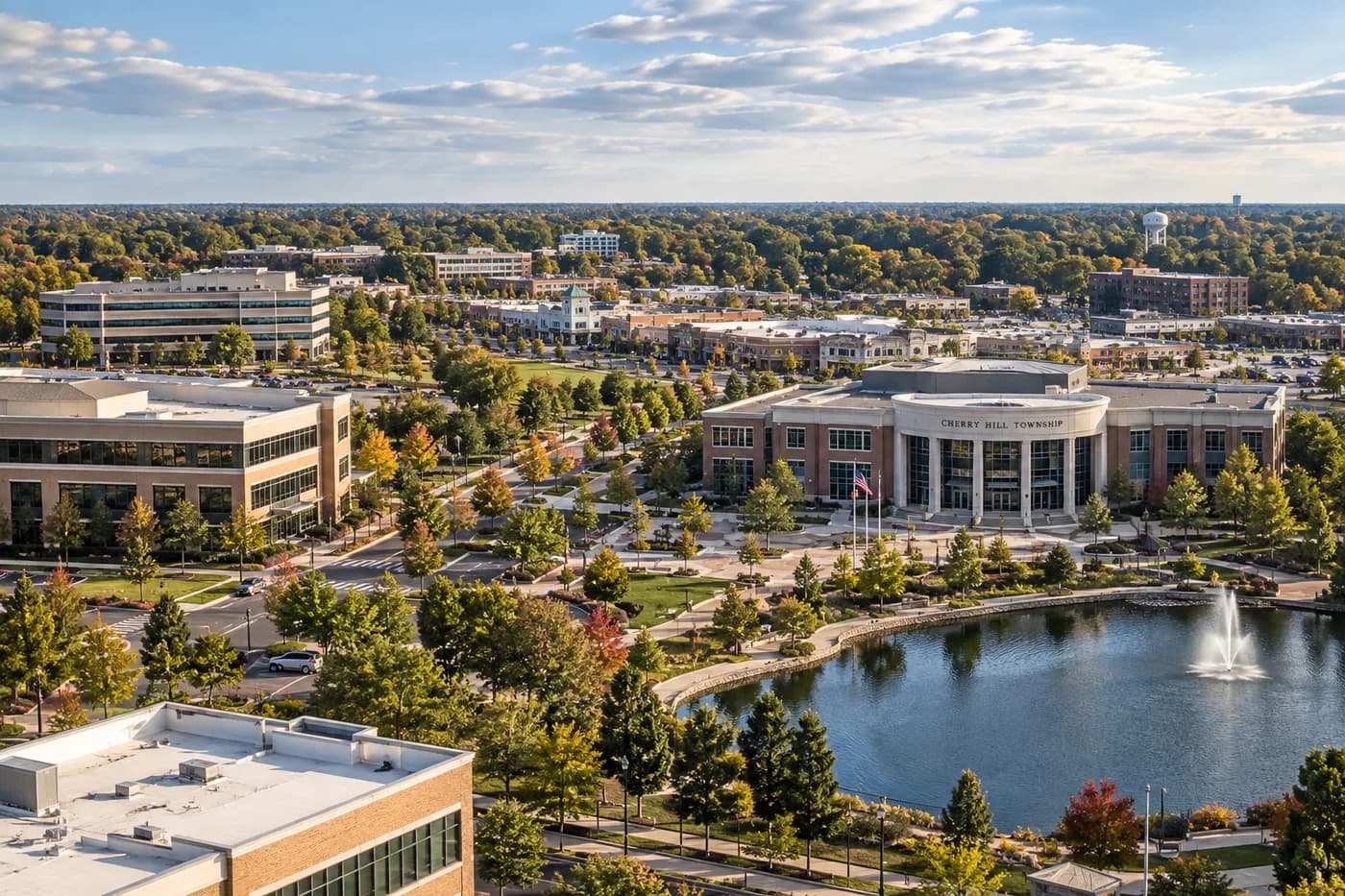
Humid Subtropical · suburban setting
Read the local guide →Humid Subtropical · suburban setting
Read the local guide →
Humid Subtropical · urban setting
Read the local guide →
Humid Subtropical · suburban setting
Read the local guide →
Humid Subtropical · urban setting
Read the local guide →
Humid Subtropical · suburban setting
Read the local guide →
Humid Subtropical · urban setting
Read the local guide →
Humid Subtropical · urban setting
Read the local guide →
Humid Subtropical · suburban setting
Read the local guide →
Humid Subtropical · urban setting
Read the local guide →
Humid Subtropical · urban setting
Read the local guide →Humid Subtropical · urban setting
Read the local guide →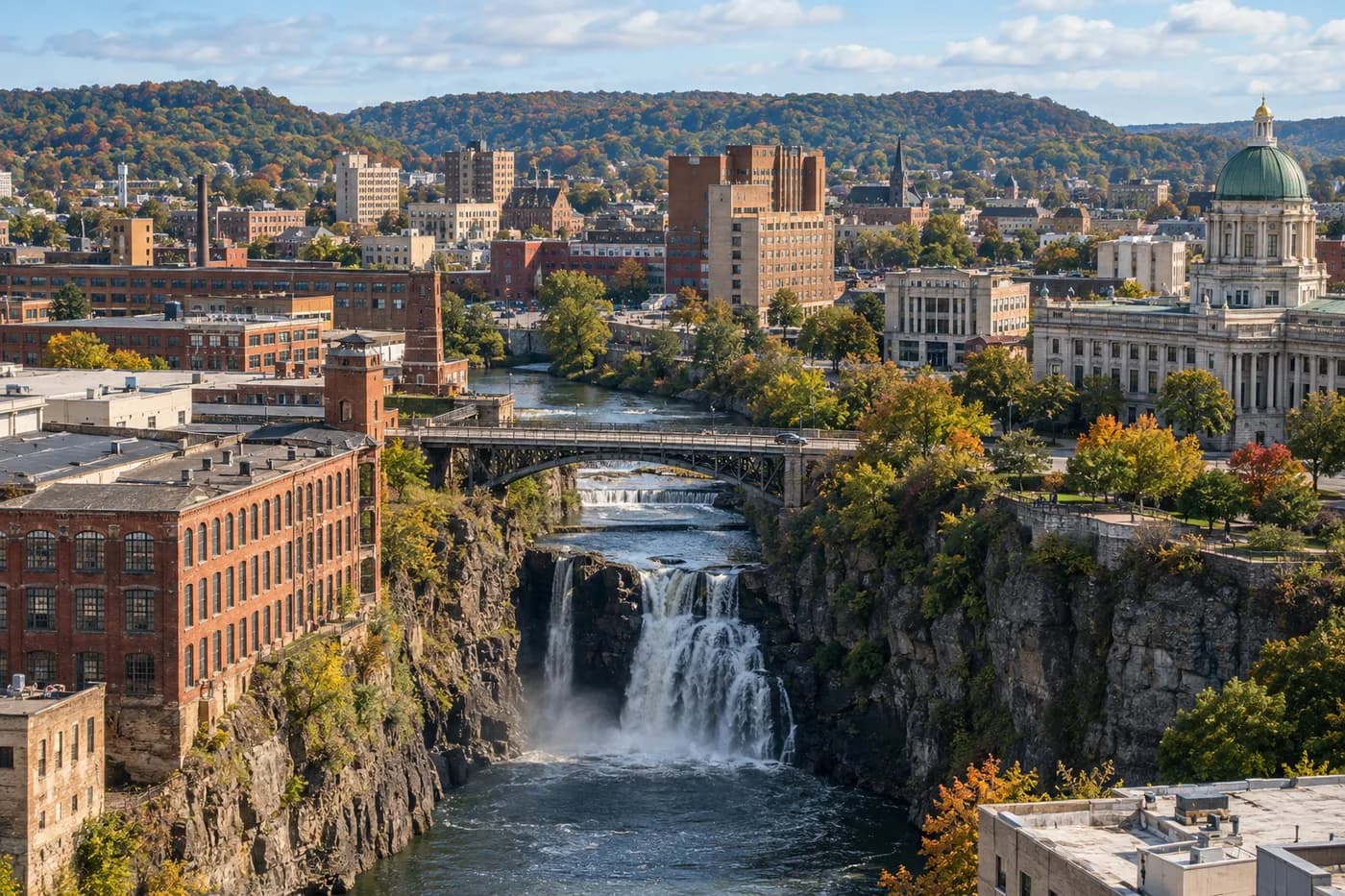
Humid Subtropical · urban setting
Read the local guide →
Humid Subtropical · suburban setting
Read the local guide →
Humid Subtropical · urban setting
Read the local guide →
Humid Subtropical · urban setting
Read the local guide →
Humid Subtropical · suburban setting
Read the local guide →
Humid Subtropical · suburban setting
Read the local guide →
Humid Subtropical · suburban setting
Read the local guide →