Around New Mexico
Conditions vary across the state. Choose your city below, then describe what’s happening around your home or business.
Local spider information
Learn what to look for around your property, explore your city, and ask about an inspection or a quote.
Conditions vary across the state. Choose your city below, then describe what’s happening around your home or business.
Where you see spiders, how long it has been going on, and anything you’ve already tried are the most useful details to mention.
Ask about an inspection, what treatment would involve, and whether follow-up visits are included. You don’t need to identify the problem yourself before getting in touch.
Before you compare quotes, it helps to know which spiders actually live in New Mexico, when they are busiest, and what the state figures look like. Everything below links to the agency or university page it came from.
NMSU's arid-Southwest spider project names two groups: Latrodectus widows and Loxosceles violin spiders.
New Mexico State University, College of Agricultural, Consumer and Environmental SciencesNew Mexico's native recluses are desert species; the true brown recluse reaches only the eastern edge of the state.
New Mexico State University, College of Agricultural, Consumer and Environmental SciencesLoxosceles reclusa is established locally around Roswell rather than statewide.
New Mexico State University, College of Agricultural, Consumer and Environmental SciencesWidows and violin spiders shelter year-round in seldom-disturbed places; NMSU advises never placing a hand where you cannot see or into a tangled web.
NMSU: 'Fortunately, black widows are very shy and very few bites are recorded for the number of spiders occurring in the region,' and 'violin spiders are not especially aggressive and may live in numbers in a house without a bite occurring.' The brown recluse proper (L. reclusa) is reported in eastern New Mexico and established around Roswell; the rest of the state's recluses are native desert species.
Sources: New Mexico State University, College of Agricultural, Consumer and Environmental Sciences; CDC/NIOSH; Pest Notes: Spiders (PN 7442). Figures are quoted as the source prints them. How we check our sources
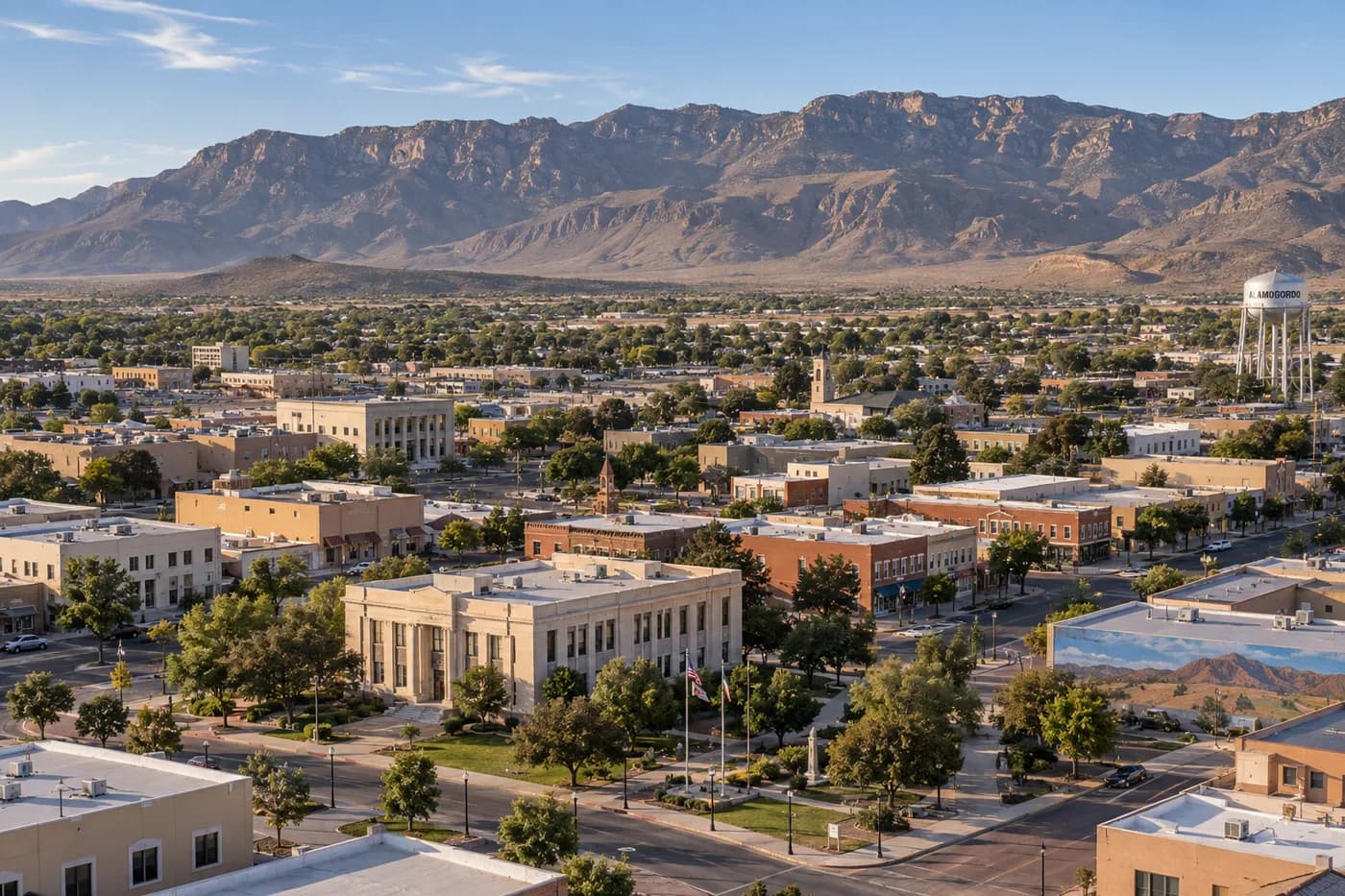
Semi-Arid · rural setting
Read the local guide →
Semi-Arid · urban setting
Read the local guide →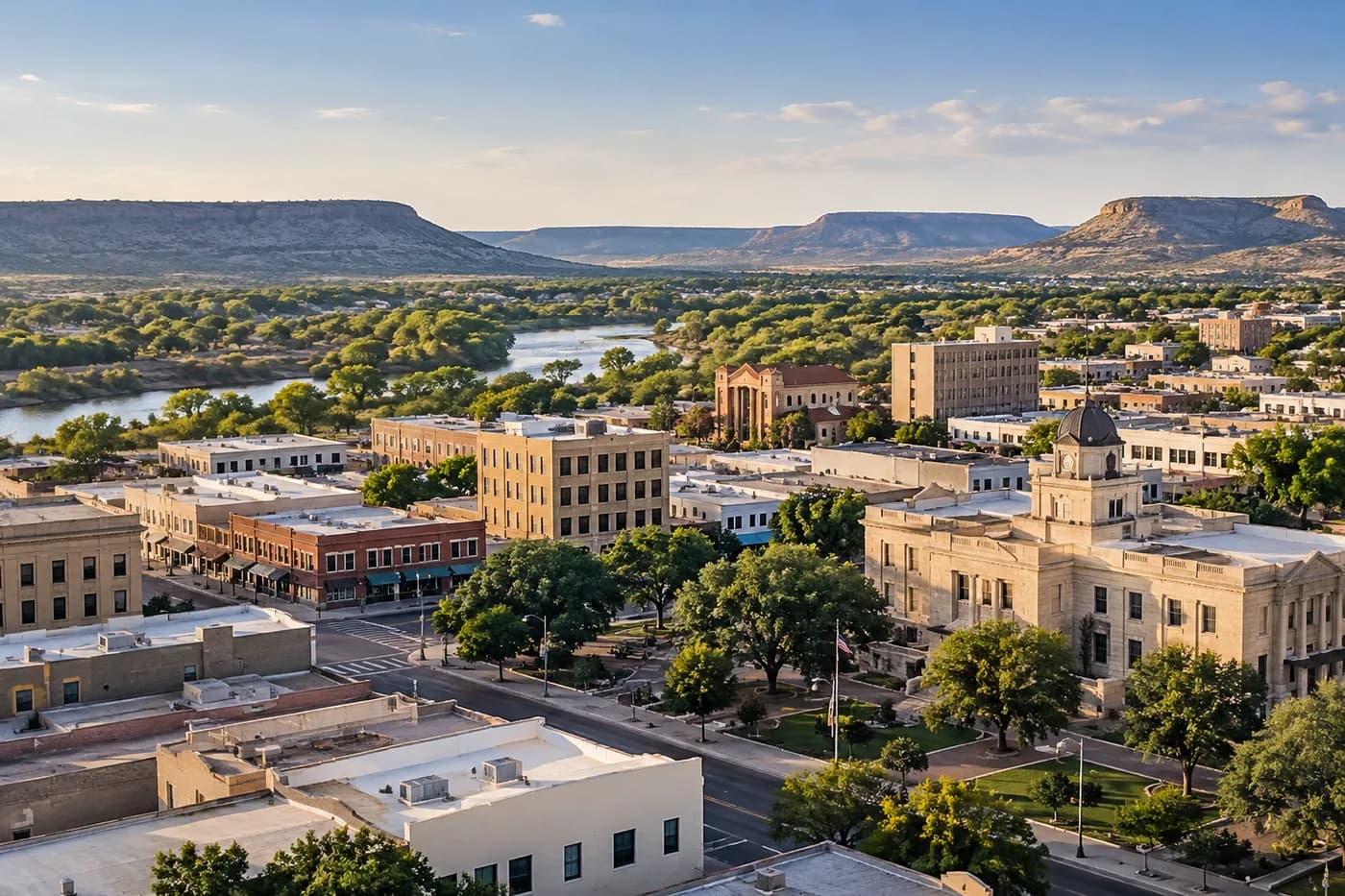
Semi-Arid · rural setting
Read the local guide →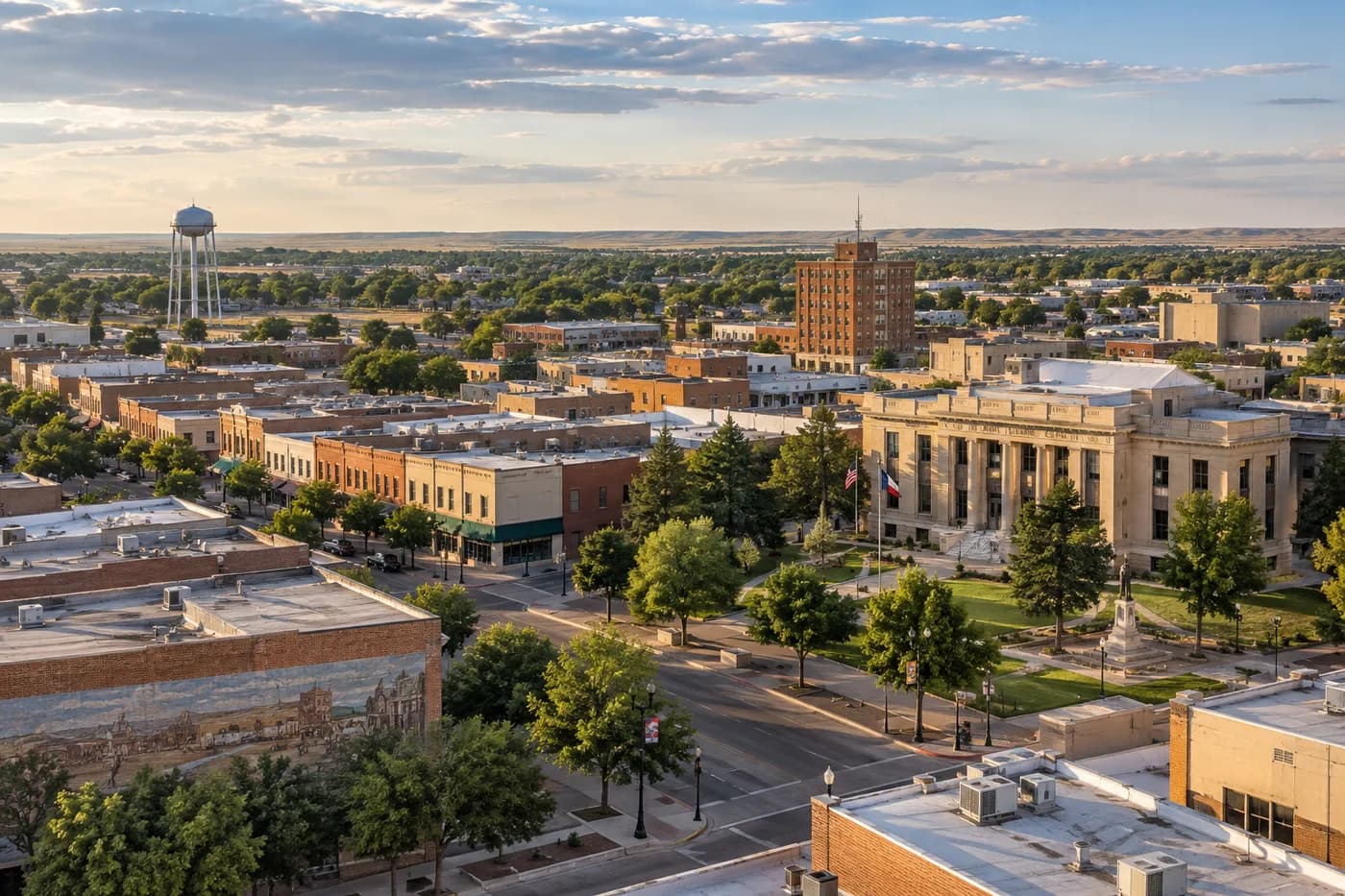
Semi-Arid · rural setting
Read the local guide →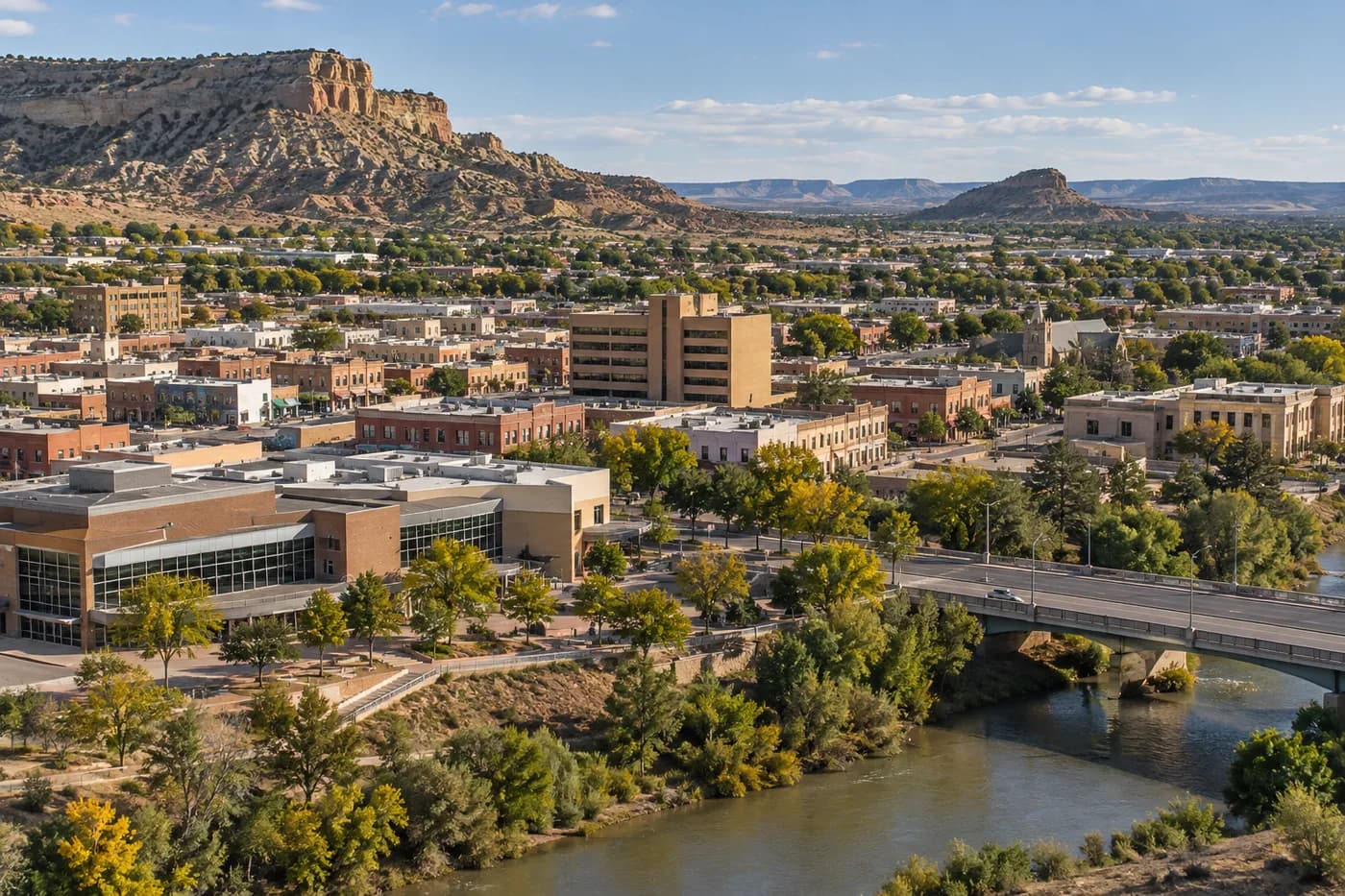
Semi-Arid · suburban setting
Read the local guide →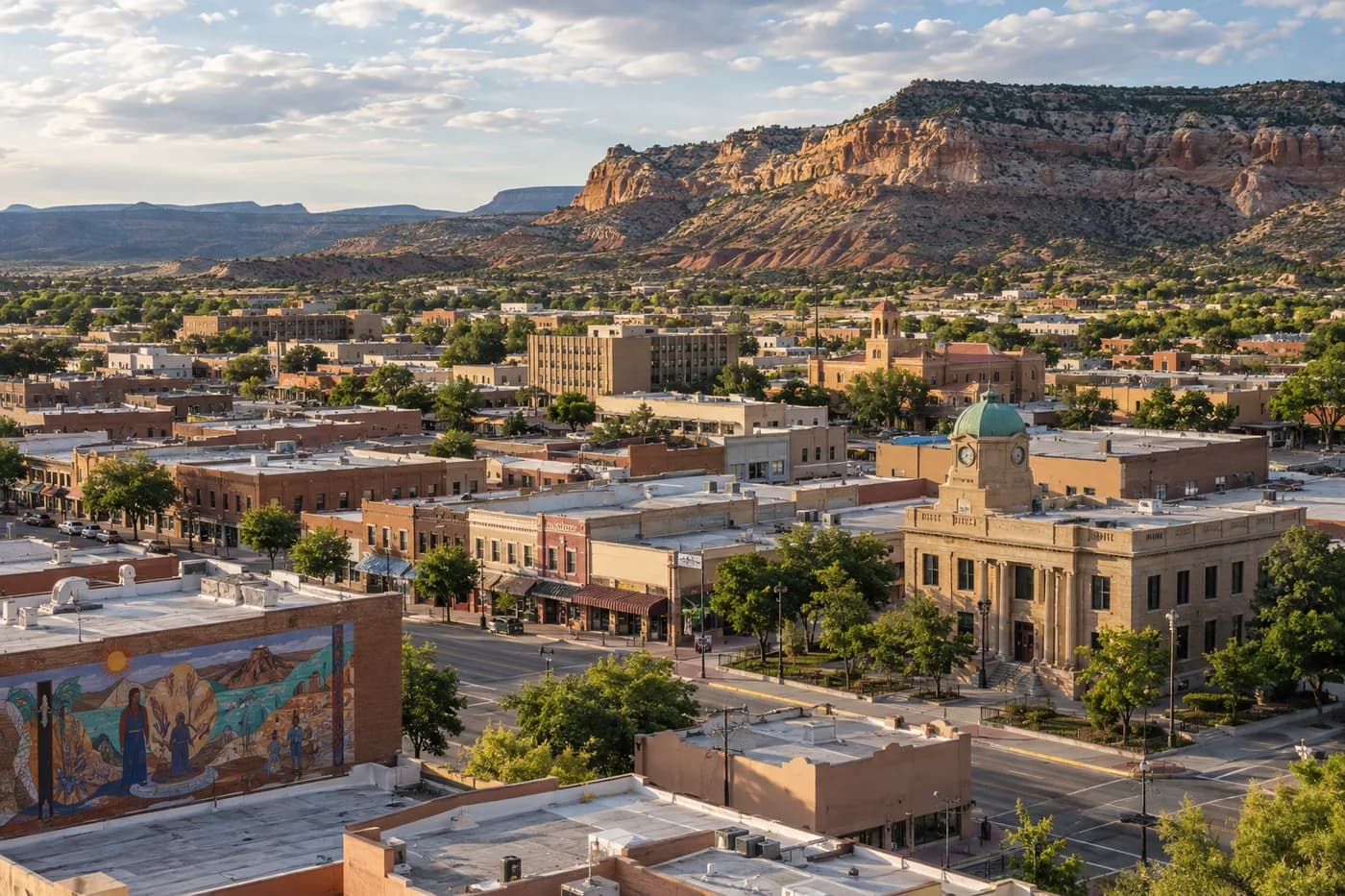
Semi-Arid · rural setting
Read the local guide →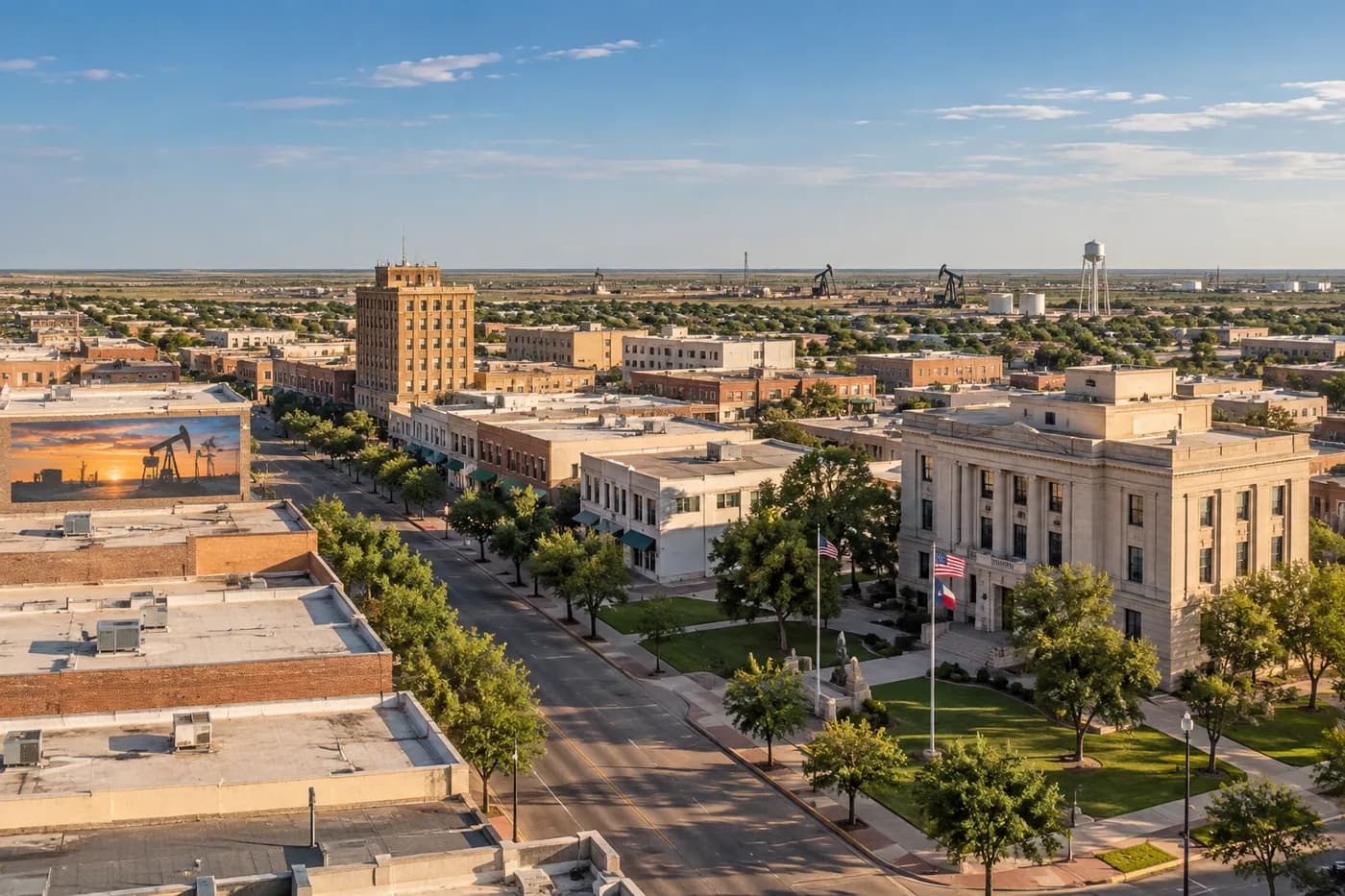
Semi-Arid · suburban setting
Read the local guide →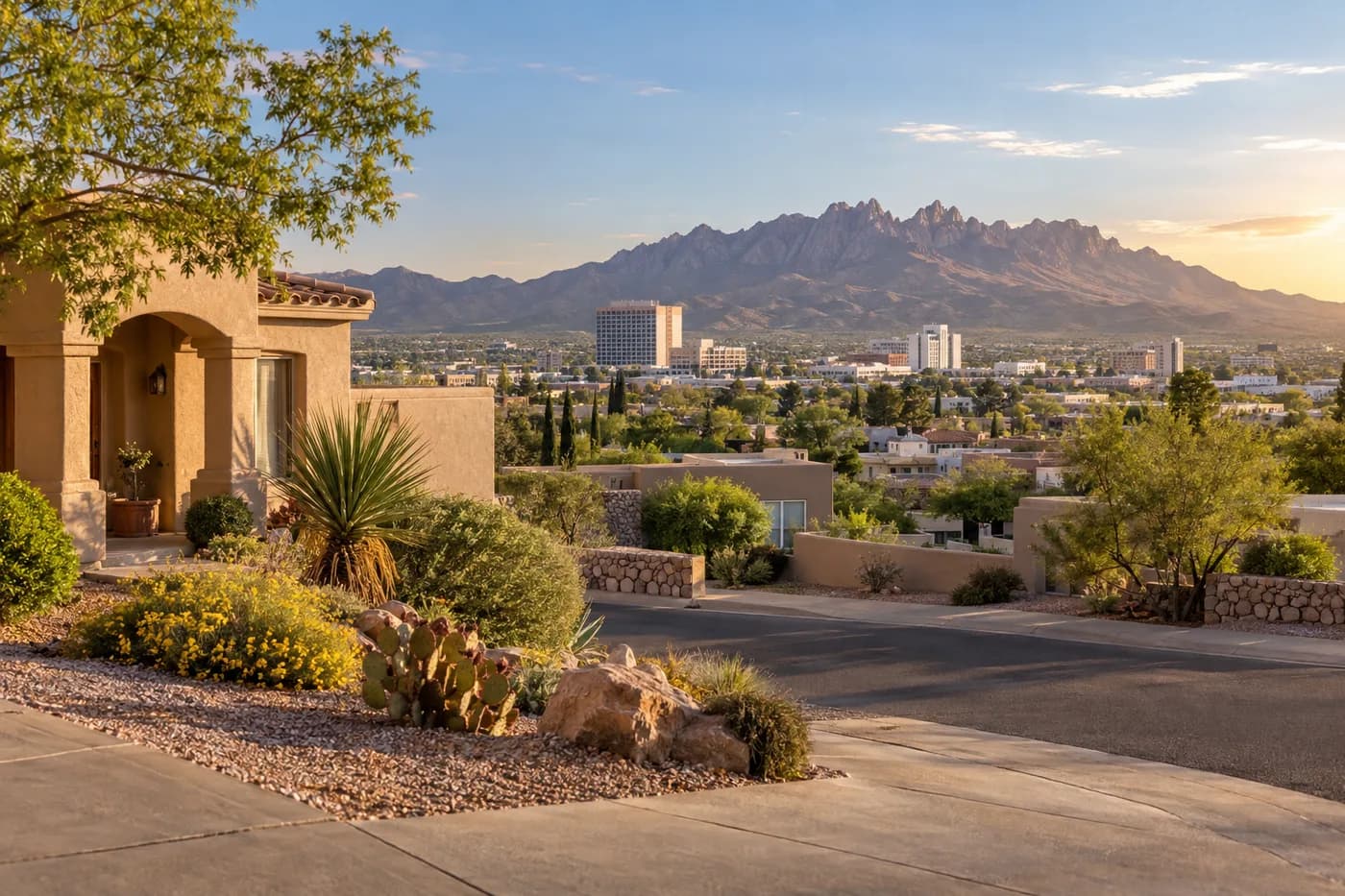
Semi-Arid · urban setting
Read the local guide →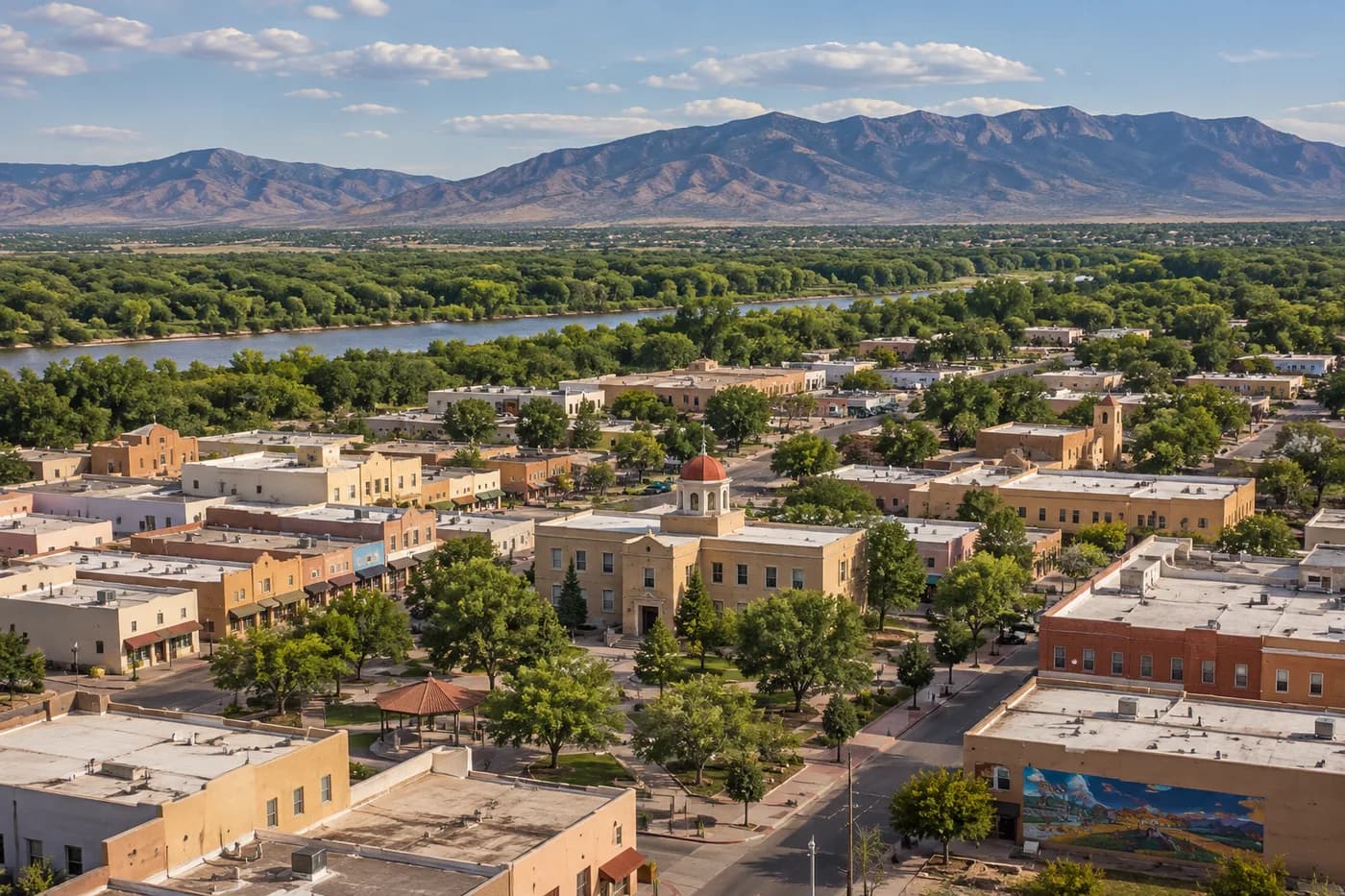
Semi-Arid · rural setting
Read the local guide →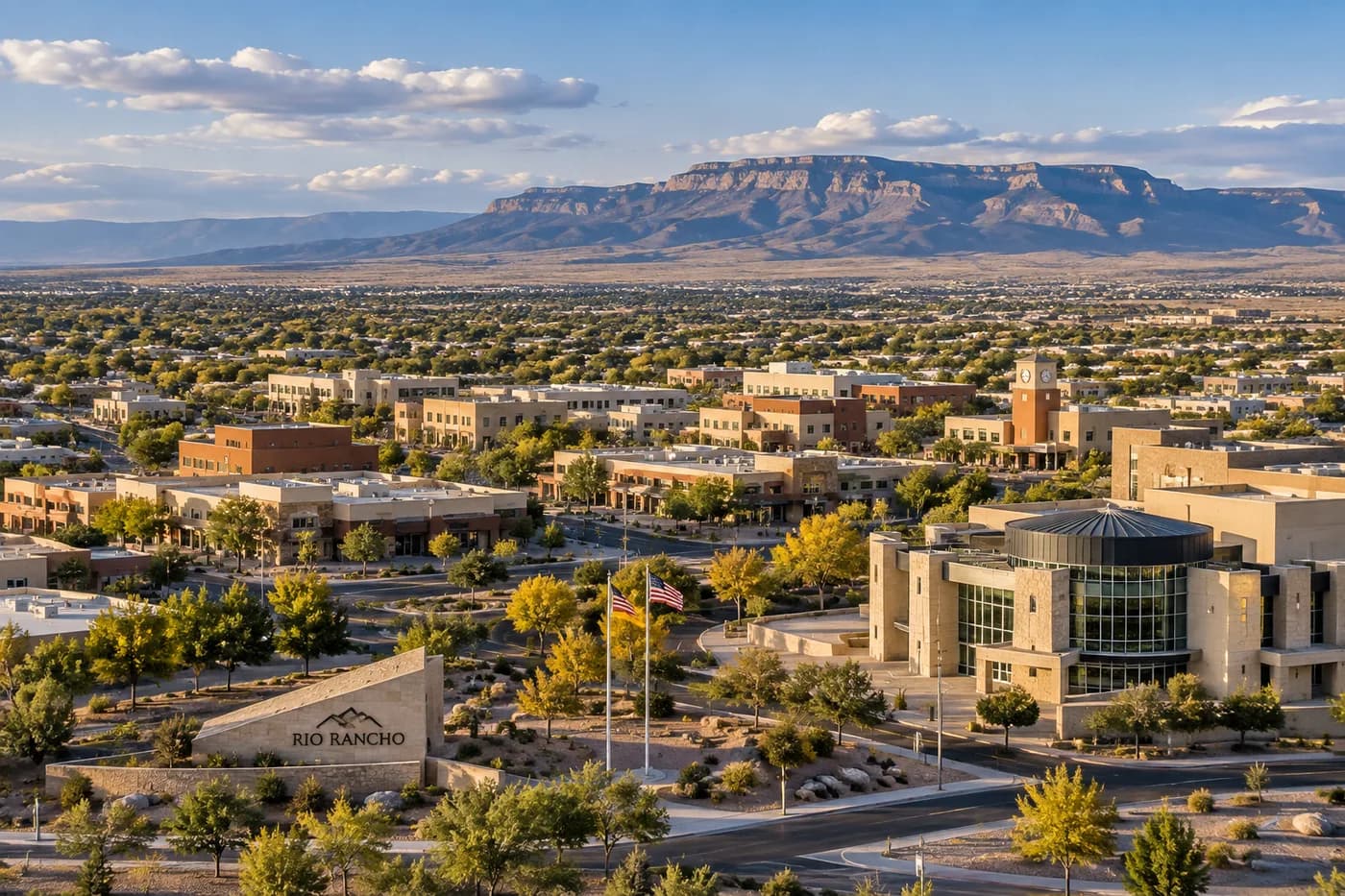
Semi-Arid · suburban setting
Read the local guide →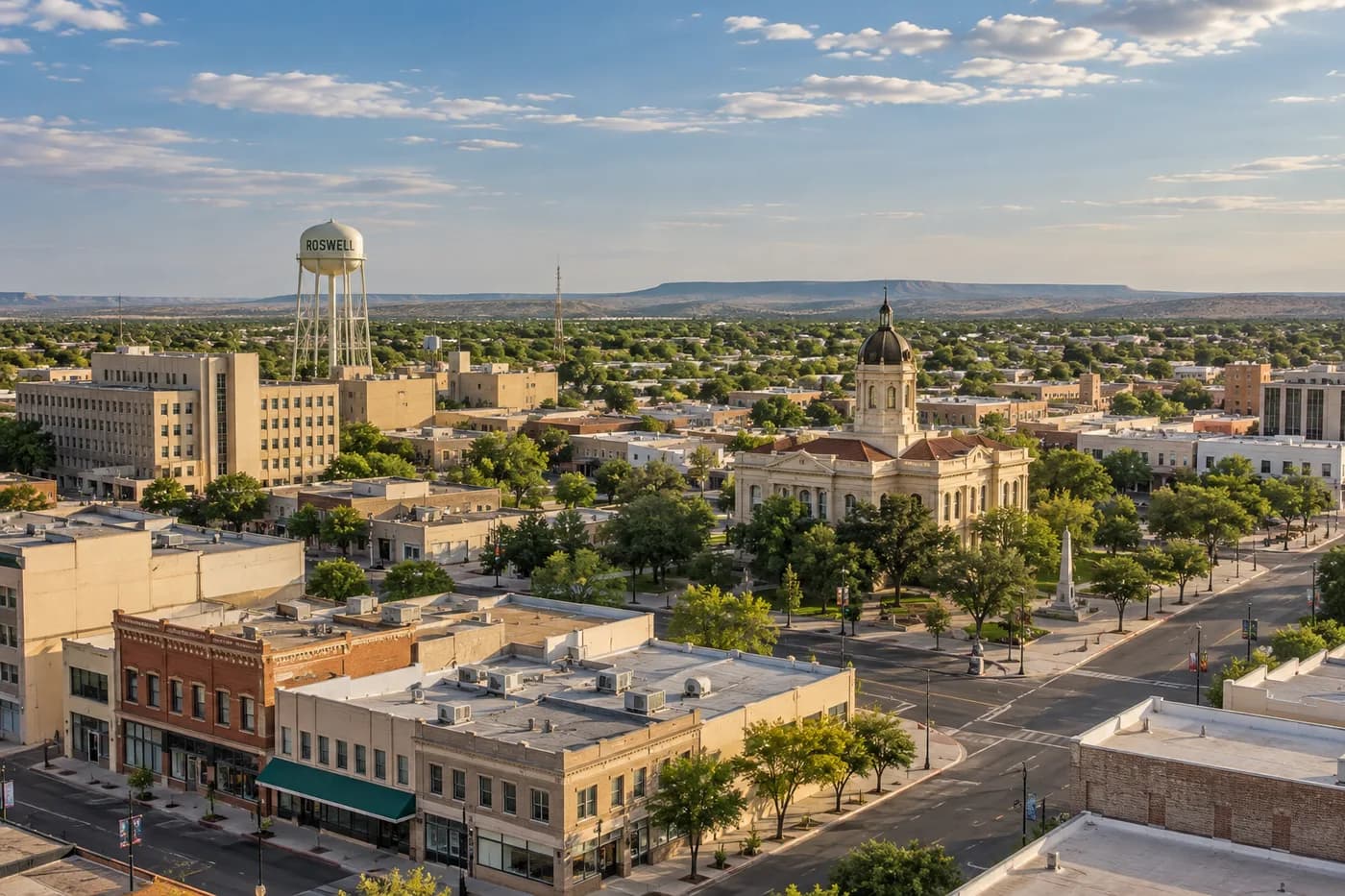
Semi-Arid · suburban setting
Read the local guide →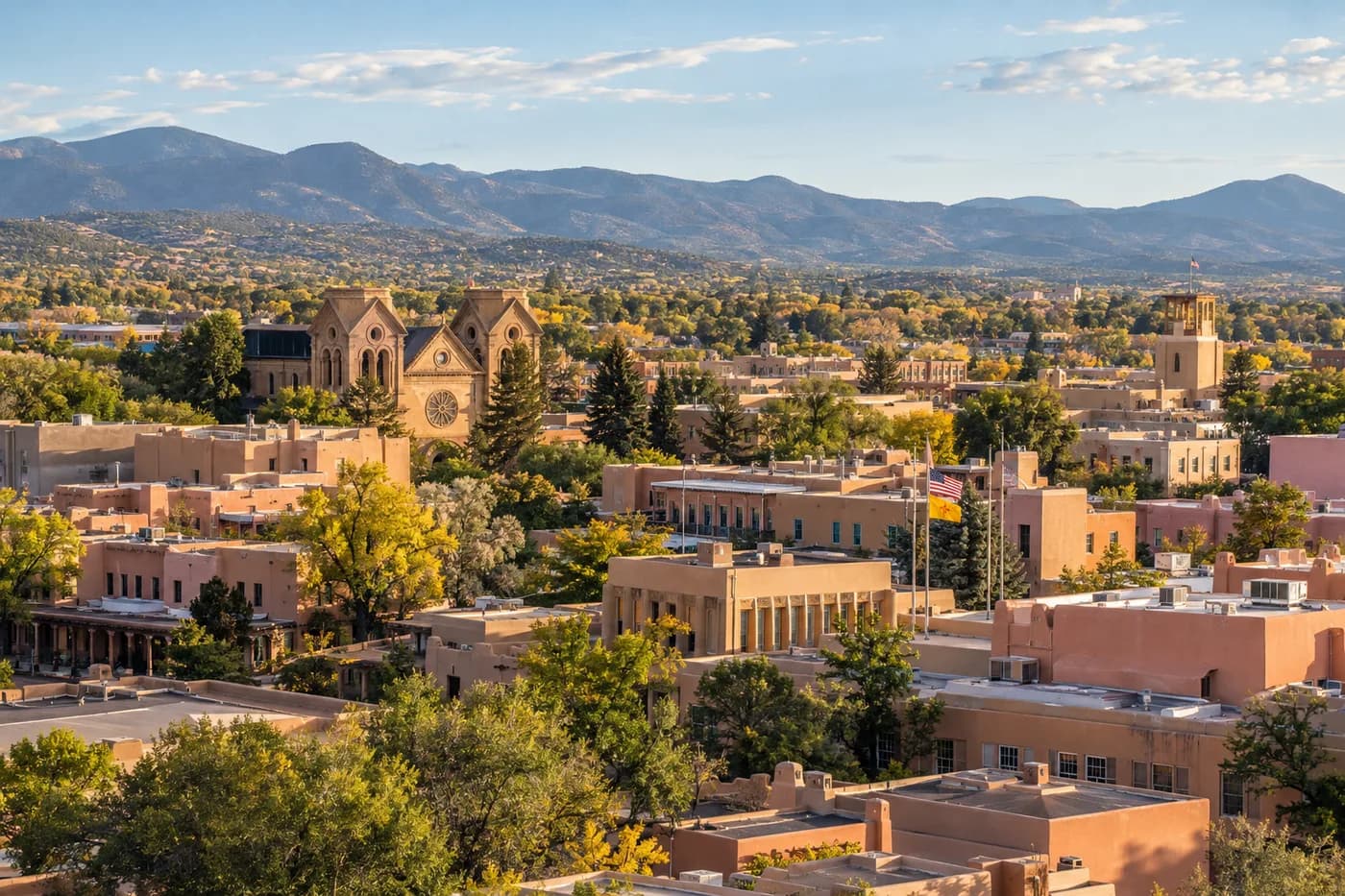
Semi-Arid · urban setting
Read the local guide →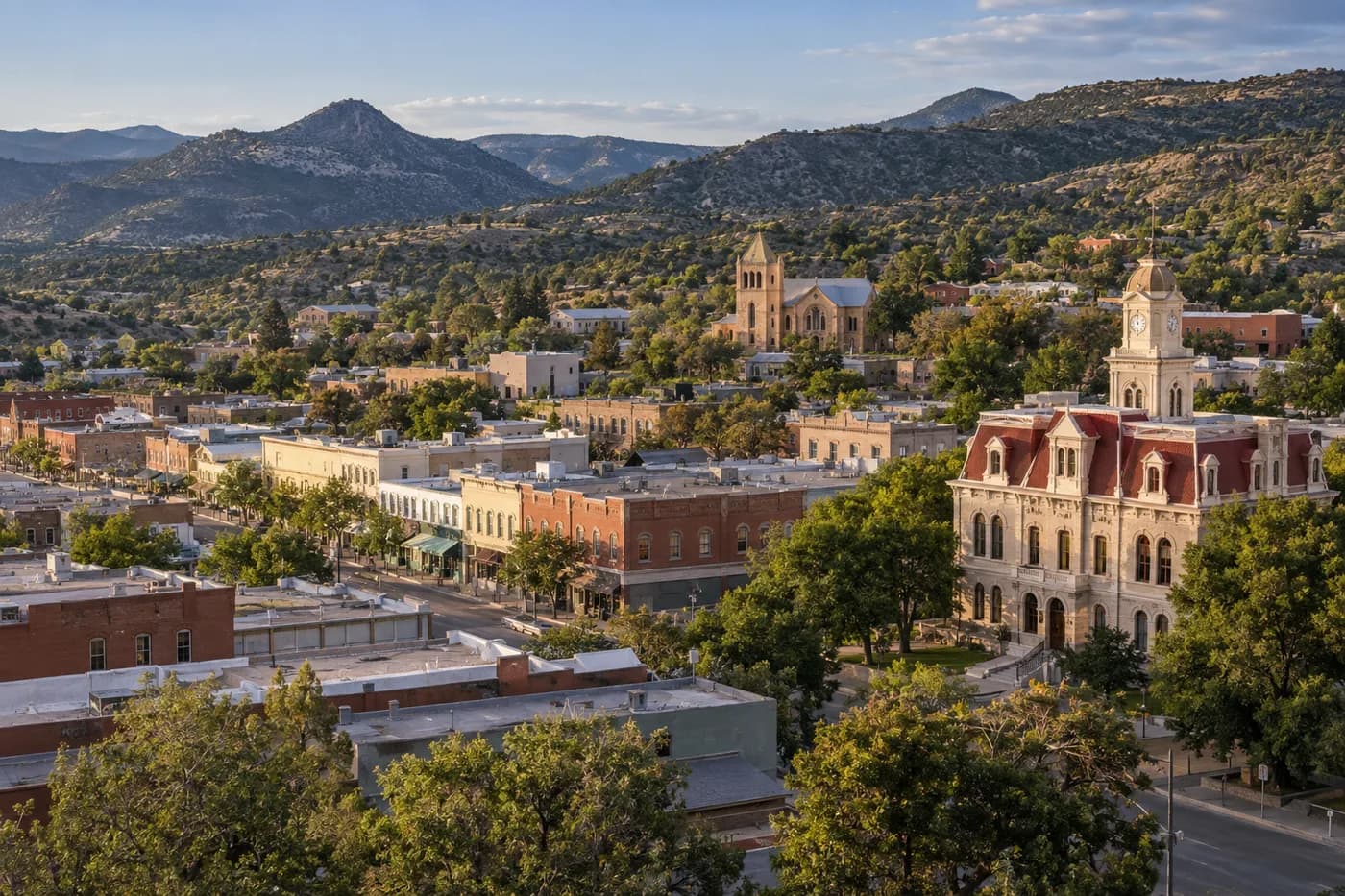
Semi-Arid · rural setting
Read the local guide →