The short version
Most spiders are harmless and beneficial, but if you have black widows or brown recluses—or simply can't tolerate webs—professional treatment costs $150-$400 and includes interior and exterior barrier sprays. DIY methods work for occasional spiders but rarely eliminate infestations.
- Only black widow and brown recluse spiders pose medical risks in the US; most species are harmless.
- Peak spider season is late summer through fall when males roam to mate and seek warmth indoors.
- Professional treatments range from $150 to $400 and provide longer-lasting results than DIY.
- Prevention starts with sealing cracks, reducing clutter, and outdoor lighting changes.
- a no-charge inspection is available from licensed pest control companies; Ask about a no-charge inspection.
- Research: One hundred percent of the 50 North Carolina homes searched by Bertone and colleagues in 2012 held spiders, living or dead.
Renters can also benefit from prevention tips and knowing when to contact a landlord for professional pest control. If you have noticed more webs or spiders in your living spaces—especially in basements, attics, or garages—this information will help you decide the best course of action. This guide is for homeowners, families with children or pets, landlords, and anyone who wants to reduce spider sightings indoors.
What to look for
Spiders enter homes for two primary reasons: food and shelter. They follow other insects that are attracted to light, moisture, and food sources. Common entry points include gaps around doors and windows, cracks in foundations, and openings around utility lines. Once inside, they thrive in undisturbed areas like closets, corners, and storage boxes. While most US spiders are harmless, the black widow and brown recluse are medically significant. Black widows are found nationwide but are most common in the South and West. Brown recluses are concentrated in the central and southern states, from Nebraska to Texas and east to Georgia. Bites can cause serious symptoms, though deaths are rare. The real problem for most people is the nuisance of webs, egg sacs, and the fear of spiders, which can reduce quality of life in your own home.
- 1Visible webs in corners, ceilings, windowsills, or outdoor lights.
- 2Egg sacs: small, round, silken spheres attached to webs or surfaces.
- 3Live spiders seen frequently, especially at night or in dark areas.
- 4Shed exoskeletons (molts) near hiding spots.
- 5Small insect carcasses caught in webs.
- 6Irregular or funnel-shaped webs (common for grass spiders and hobo spiders).
- 7Bite marks or skin reactions (rare, but possible with black widow or brown recluse).
Why it’s worth acting soon
- Spider populations can grow quickly, especially if food sources (other insects) are abundant.
- Medically significant spiders may establish colonies in wall voids or clutter.
- Webs accumulate dust and allergens, worsening indoor air quality.
- Larger infestations require more extensive treatment and higher costs.
- Delaying control may lead to bites, especially for black widows that hide in shoes or stored items.
in the U.S. are the black widow and brown recluseMedically significant spidersUS CDC Treatment options and typical costs
Interior & Exterior Barrier Spray
$150-$400
Professional-grade liquid insecticide applied to baseboards, corners, window frames, and outdoor perimeter. Creates a residual barrier that kills spiders and other insects on contact.
- Time
- Lasts 3-6 months depending on weather and cleaning
- Best for
- General spider control in homes with moderate to high activity
Dust & Void Treatment
$200-$350
Insecticidal dust applied into wall voids, attics, and crawl spaces where spiders hide and build webs. Effective for brown recluses and black widows in hidden areas.
- Time
- Lasts up to 1 year in undisturbed areas
- Best for
- Targeting spiders in hard-to-reach spaces
Web Removal & Gap Sealing
$0-$150 (DIY) or included in service
Physical removal of webs and egg sacs combined with sealing cracks and gaps. Often included in professional services or done as DIY.
- Time
- Immediate but requires follow-up prevention
- Best for
- Low-level infestations or maintenance
Prices are typical published ranges. Ask what’s included before you compare quotes.
 Basements stay dark, damp and quiet, which is everything a spider wants.
Understanding Spider Behavior and Habitat.
Spiders are arachnids, not insects, and they play a vital role in controlling pest populations. Most spiders are solitary predators that build webs to catch prey or actively hunt. They prefer dark, undisturbed areas with access to insects. Common indoor habitats include basements, attics, closets, garages, and behind furniture. Outdoors, they live in gardens, woodpiles, and under eaves. Spiders become more visible in late summer and fall when males leave their webs to mate. This is when they accidentally wander into homes. Females lay egg sacs containing dozens to hundreds of eggs, which can hatch into a sudden surge of spiders. Understanding this life cycle helps target treatments at the right time—before egg sacs hatch. Different species have different habits. Web-building spiders like orb weavers and cobweb spiders stay in one spot, while wolf spiders and jumping spiders roam. Brown recluses are reclusive, hiding in corners and rarely seen, while black widows build messy webs in low-traffic areas. Knowing which species you have guides the best control method.
spiders activity by season.
The most useful first step in Diy Vs Professional Spider Control is to note where you have seen spiders and when they appear, because that timeline is what lets a provider focus on the right area instead of treating the whole property. In Diy Vs Professional Spider Control, checking the foundation, gaps around doors and windows, and any moisture or clutter near the structure usually turns up the conditions that are letting them in. Scheduling before the busy stretch, rather than after it, tends to mean faster service and a more accurate quote, and a local provider can point out the conditions that matter most in Diy Vs Professional Spider Control.
 A vent that closes properly keeps spiders from using it as a winter doorway.
Regional Spider Concerns Across the US.
In the central and southern states, brown recluse spiders are a serious concern. Their venom can cause necrotic skin lesions that take months to heal. They are most common in Oklahoma, Texas, Arkansas, Missouri, Kansas, and parts of Tennessee and Georgia. If you live in these regions, proactive control is wise. Black widows are more widespread, found in every state except Alaska, but they are most abundant in the South and West. Their neurotoxic venom can cause severe muscle pain and cramps. In the Pacific Northwest, the hobo spider was once considered dangerous, but recent studies show its venom is not medically significant. Still, many residents worry about them. The best approach is to focus on sealing gaps and habitat modification rather than panic. In the Northeast, common house spiders and cellar spiders are the main nuisances, with occasional black widows in warmer areas. Coastal regions with high humidity support larger insect populations, which in turn support more spiders. In Florida and the Gulf Coast, you may encounter large orb weavers and even banana spiders (golden silk spiders), which are harmless but intimidating. Regardless of region, the principles of spider control remain the same: reduce food sources, seal entry points, and remove hiding spots.
Health Risks and Bite Identification.
Spider bites are rare, but they do happen. Most spider bites are dry (no venom) or cause only mild irritation. The two medically significant groups in the US are the black widow (Latrodectus) and brown recluse (Loxosceles). Black widow venom is a neurotoxin; symptoms include sharp pain at the bite site, muscle cramps, sweating, and nausea. Brown recluse venom can cause necrosis, leading to a slow-healing ulcer. Bites often go unnoticed initially, then develop into a painful wound. If you suspect a black widow or brown recluse bite, seek medical attention. Capture the spider if possible for identification. For all other spiders, clean the bite with soap and water, apply a cold compress, and watch for signs of infection. Remember, most skin infections are misdiagnosed as spider bites. According to the CDC, fewer than 10% of reported spider bites are actually from dangerous species. To reduce bite risk, shake out shoes and clothing that have been stored, wear gloves when handling firewood or debris, and avoid reaching into dark corners without looking. Teach children not to disturb spiders.
Integrated Pest Management (IPM) for Spiders.
Integrated pest management for spiders combines cleanup, sealing gaps and targeted treatment. Start by removing webs and egg sacs with a vacuum or broom, then find the entry points and seal them. Reduce hiding spots by clearing clutter in basements, garages and attics. Outdoors, keep the yard tidy and move woodpiles away from the house. Use yellow or warm-toned bulbs to draw fewer insects. If treatment is still needed, a pro can put a light dust into voids and treat the exterior perimeter rather than spraying rooms. IPM keeps product use low while still keeping spiders in check.
Special Considerations for Homes with Children and Pets.
Safety is paramount when treating spider infestations in homes with children and pets. Chemical sprays can pose risks if not applied correctly. Always choose low-toxicity options like pyrethrin-based sprays (derived from chrysanthemums) or silica gel dust. Keep children and pets away from treated areas until dry. Remove toys, food bowls, and bedding before treatment. For maximum safety, consider non-chemical methods first: vacuuming, web removal, and sticky traps. Sticky traps placed in corners can catch spiders without poison. They also help monitor activity levels. For serious infestations, professional applicators use products that are safe once dry. Ask about green or organic options. Pets, especially cats and dogs, may eat spiders or lick treated surfaces. Most spider venoms are not harmful to pets, but black widow bites can cause severe reactions in small animals. If your pet shows symptoms like muscle tremors, vomiting, or swelling, see a vet. As a precaution, keep pets away from spider-prone areas and consider having a professional do a thorough treatment.
Seasonal Timing for spider control.
Peak spider activity in the US runs from August through October. During this time, male spiders are actively searching for mates, often entering homes by accident. This is the best time to apply preventive treatments. A professional barrier spray in early August can reduce spider intrusions through fall. If you already have an infestation, treat immediately regardless of season. In the spring, spider egg sacs from the previous year may hatch. Early spring is a good time to remove webs and apply dust in voids. Winter sees lower spider activity, but some species remain active indoors. Heated homes can keep spiders active year-round. If you have a persistent problem, year-round quarterly treatments can maintain control. Climate also affects activity. In warmer states like Texas and Florida, spider season starts earlier and lasts longer. In northern states, cold weather kills outdoor spiders, but indoor populations can persist. Adjust your treatment schedule accordingly.
What affects the price
- Size of home: larger homes require more product and time.
- Severity of infestation: heavy infestations may need multiple treatments.
- Type of spider: black widow or brown recluse treatments often cost more due to safety precautions.
- Accessibility: homes with crawl spaces, attics, or cluttered basements may cost more.
- Geographic region: prices vary; coastal areas and cities tend to be higher.
- workmanship warranty: companies offering re-treatments under the company’s written re-treatment terms may charge more upfront.
- Additional services: if you combine spider control with general pest control, expect a package price.
📊
What is your biggest concern about spiders in your home?
When to call for help
Families with young children or pets should especially consider professional treatment for peace of mind. Also, if you're unable to seal entry points or access areas like crawl spaces, a pro can handle the job safely and effectively. Call a professional if you see black widows or brown recluses, have persistent spiders despite DIY efforts, or notice large numbers of webs and egg sacs.
What you can do yourself
yours. Some companies offer no-charge inspection and can give you a clear plan—Ask about a no-charge inspection. But if you have a true infestation or dangerous species, don't hesitate to call a licensed professional. Use a vacuum to remove webs and spiders, and dispose of the bag immediately. If you choose DIY, focus on prevention: seal cracks, reduce outdoor lighting, and keep your home clean. For most homeowners, the $150-$400 investment in a pro service saves time and provides better results, especially during peak season. Professional treatments use longer-lasting chemicals, targeted application, and include sealing work. However, DIY products often don't reach hidden spiders or egg sacs, and they may not address the underlying food source (other insects). Store-bought sprays, sticky traps, and vacuuming webs can reduce numbers temporarily. DIY spider control can work for occasional spiders and small infestations.
Where you live matters
Spider control needs vary significantly across the United States. In the Midwest, brown recluse spiders are a real concern, especially in older homes with many hiding spots. Homeowners in Missouri, Kansas, and Oklahoma should prioritize sealing cracks and using void treatments. In the Southwest, black widows are common around garages and outdoor structures. Arizona and New Mexico residents often deal with tarantulas, which are harmless but alarming. Sealing gaps and outdoor lighting changes are key. In the Southeast, humidity supports large populations of orb weavers and other web-builders. These spiders often build large webs on porches and between bushes. While harmless, they create a mess. Regular web removal and insect control are effective. In the Pacific Northwest, the hobo spider (now considered harmless) still causes concern. Focus on reducing clutter and sealing entry points. Coastal areas like California and Florida have year-round spider activity. Mediterranean climate zones see spiders even in winter. Professional quarterly treatments are popular in these regions. Landlords in these states should include spider control in their pest management routine to avoid tenant complaints. No matter where you live, a no-charge inspection from a local expert can identify the specific species and recommend the best plan. to connect with a licensed pro in your region.
Simple ways to keep spiders away
- Seal cracks and gaps around doors, windows, pipes, and vents using caulk or weatherstripping.
- Reduce outdoor lighting or switch to yellow sodium vapor lights that attract fewer insects (spider food).
- Remove clutter from basements, attics, and garages where spiders hide.
- In Diy Vs Professional Spider Control, keep firewood stored away from the house and raised off the ground.
- Trim shrubs and vegetation at least 2 feet from the foundation.
- Install door sweeps and repair window screens.
- Vacuum regularly, especially in corners, under furniture, and along baseboards.
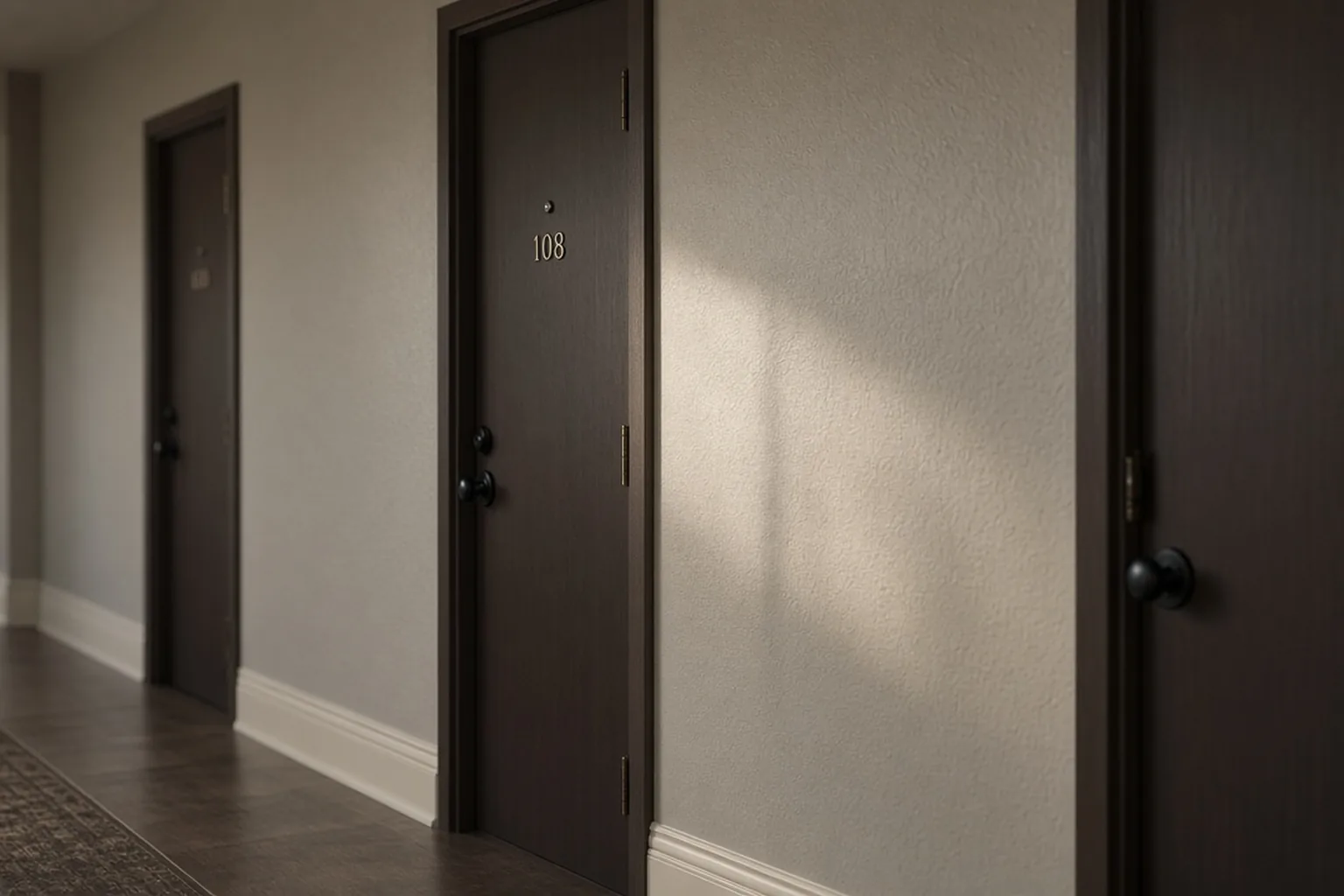 In apartments, spiders move between units through shared walls and utility gaps, so one unit rarely tells the whole story.
Did you know?
Weight for weight, spider silk is stronger than steel.
Spiders can't chew. They liquefy a meal first and drink it.
Some spiders, like jumping spiders, have excellent vision and can see in color.
Questions people ask
What is the best way to get rid of spiders in my home?
The best approach combines prevention (sealing cracks, reducing insects) with targeted treatment. For most homes, a professional barrier spray applied to baseboards and exterior perimeters provides long-lasting control. DIY options include vacuuming, sticky traps, and insecticide sprays, but they are less effective for large infestations.
Are spiders dangerous to my family?
Only black widow and brown recluse spiders are medically significant in the US.Their bites can cause serious symptoms, but deaths are rare. Most spiders are harmless and actually beneficial because they eat other pests. If you have young children or pets, take extra precautions and consider professional control.
How much does professional spider control cost?
Professional spider treatment typically costs between $150 and $400 for a standard home. This includes interior and exterior application. Prices vary based on home size, infestation level, and region. Some companies offer no-charge inspection and warranties.
Can I prevent spiders without using chemicals?
Yes. Seal cracks and gaps, install door sweeps, repair screens, reduce outdoor lighting, remove clutter, and vacuum regularly. These steps reduce spider entry and food sources. Sticky traps can catch spiders without poison. For existing spiders, vacuuming and web removal are effective.
When is spider season in the US?
Spider activity peaks from late summer through fall (August to October) when males roam to mate. This is when you're most likely to see them indoors. In warmer climates, spiders can be active year-round. Spring is also a key time for egg sac hatching.
Should I kill spiders I find indoors?
If you're comfortable, it's better to capture and release them outside, as they help control pests. However, if you have dangerous species or a phobia, killing them is understandable. Vacuuming is a quick, clean method. Avoid crushing them, as it can release eggs or attract other pests.
What attracts spiders to my home?
Spiders are attracted to homes that offer food (other insects), shelter (dark, undisturbed areas), and entry points. Outdoor lights attract insects, which in turn attract spiders. Clutter, woodpiles, and cracks in the foundation provide hiding spots and entry routes.
How long does a professional spider treatment last?
Most professional barrier sprays last 3 to 6 months, depending on weather, cleaning, and pest pressure. Dust treatments in voids can last up to a year. Many companies offer quarterly service to maintain protection year-round.
Sources (11)
The facts in this article come from the public sources listed above. Every home is different, so ask the company you talk to about pricing and what’s included. Published by Spider Exterminator · Updated September 11, 2026 · How we write these guides