The short version
Most spiders are harmless, but black widows and brown recluses require professional control. Seal cracks, reduce clutter, and remove webs regularly. For infestations or dangerous species, call a licensed professional.
- Only black widow and brown recluse spiders are medically significant in the US.
- Brown recluse spiders are concentrated in the central and southern US, not the coasts.
- Spiders are most active from August to October as males search for mates.
- Professional treatment costs $150-$500 and includes interior and exterior applications.
- Prevention focuses on sealing entry points and reducing insect prey.
- Research: When Bertone and colleagues inspected 554 rooms in 50 North Carolina homes during 2012, they recorded spiders in 78.5% of them; the study documents where specimens were present, not how many homes are infested.
This guide is for homeowners, families with children or pets, and landlords who want factual, actionable information about spider control. Whether you're dealing with a few webs or a suspected infestation of venomous spiders, this resource will help you make informed decisions.
What to look for
During late summer and fall, male spiders become more visible as they roam for mates and seek warmth indoors. Spiders enter homes seeking food (insects), shelter, and mates. Misidentification often leads to unnecessary panic, but ignoring signs of venomous spiders can be dangerous. Black widows are found nationwide, but brown recluses are concentrated in the central and southern US, from Nebraska to Texas and east to Georgia. While most spiders are harmless, the black widow and brown recluse can deliver bites that require medical attention.
- 1Frequent web sightings in corners, ceilings, and window frames.
- 2Live spiders, especially in dark, undisturbed areas like basements, attics, and closets.
- 3Egg sacs (small, round, silken balls) attached to webs or surfaces.
- 4Sightings of black widows (shiny black with red hourglass) or brown recluses (violin-shaped mark on back).
- 5Prey remains like small insect carcasses in webs.
- 6Multiple spiders of the same species appearing in different rooms.
- 7Unexplained bites or skin reactions, though bites are rare and often misattributed.
Why it’s worth acting soon
- Venomous spider bites can cause necrotic wounds (brown recluse) or systemic symptoms (black widow).
- Infestations can grow as spiders reproduce, with egg sacs containing hundreds of eggs.
- Increased psychological stress for arachnophobic occupants.
- Spiders may spread to more areas of the home, including bedrooms and living spaces.
- Untreated prey insect populations may attract more spiders.
in the U.S. are the black widow and brown recluseMedically significant spidersUS CDC Treatment options and typical costs
Interior and Exterior Residual Spray
$150-$400
A licensed technician applies a liquid residual insecticide to baseboards, cracks, window frames, and exterior perimeter. This creates a barrier that kills spiders on contact and provides long-lasting protection.
- Time
- Lasts 2-3 months
- Best for
- General spider prevention and control in homes with moderate activity.
Dust and Aerosol Treatments for Hidden Areas
$200-$500
For attics, crawlspaces, and wall voids, technicians use insecticidal dusts (like silica gel) or aerosols to reach spiders in their hiding spots. This is effective for brown recluse control.
- Time
- Lasts 3-6 months
- Best for
- Homes with brown recluse or heavy infestations in inaccessible spaces.
Web Removal and Sealing gaps
$100-$300
Physical removal of webs and egg sacs combined with sealing entry points (cracks, gaps around pipes, weatherstripping). Often included in comprehensive treatments.
- Time
- Ongoing; a sealed gap lasts indefinitely
- Best for
- Preventive maintenance and mild infestations.
Prices are typical published ranges. Ask what’s included before you compare quotes.
 Lidded plastic bins beat open boxes and loose piles for keeping spiders out of stored clothes and bedding.
Understanding Spider Behavior and Seasonal Activity.
Spiders are arachnids, not insects, and they have a life cycle that includes egg, spiderling, and adult stages. Understanding this seasonal pattern helps homeowners anticipate and prevent spider intrusions. However, repeated sightings of multiple spiders, especially of the same species, suggest a population established nearby. Females tend to stay hidden in their webs, so a single male sighting doesn't necessarily indicate an infestation. This is when homeowners are most likely to encounter spiders indoors, especially in basements, bathrooms, and bedrooms. In the US, spider activity peaks in late summer and fall (August to October) as males leave their webs to search for mates. Most spiders live for one to two years, but some can survive longer in favorable conditions.
Identifying Medically Significant Spiders: Black Widow and Brown Recluse.
Females are shiny black with a distinctive red hourglass shape on the underside of the abdomen. Black widows are found throughout the US, though they are more common in warmer regions. Both species are reclusive and bite only when threatened, such as when pressed against skin. Their venom can cause necrotic skin lesions that may take months to heal. They prefer dry, undisturbed areas like closets, attics, and cardboard boxes. They are light to medium brown with a dark, violin-shaped mark on their cephalothorax. Brown recluses are more limited in range, primarily in the central and southern states from Nebraska to Texas and east to Georgia, as well as parts of Ohio, Indiana, and Illinois. Their venom is neurotoxic and can cause severe pain, muscle cramps, and nausea, but deaths are extremely rare with modern medical care. They build irregular, messy webs in dark, undisturbed places like woodpiles, sheds, and crawlspaces.
 A vent that closes properly keeps spiders from using it as a winter doorway.
The Role of Spiders in the Home Ecosystem.
Most household spiders are harmless and actually beneficial. It's important to distinguish between nuisance spiders and dangerous ones; for the former, live-and-let-live is often the best policy. For those with arachnophobia, professional treatment can reduce spider populations without eliminating beneficial species entirely. Instead of eradication, a balanced approach focuses on excluding spiders from living areas while tolerating them in basements or garages if they pose no threat. Indiscriminately killing all spiders can lead to an increase in other pests, which may then attract more spiders. A single spider can consume dozens of insects per day, acting as natural pest control. They feed on common pests like flies, mosquitoes, ants, and roaches.
Professional Treatment Methods: What to Expect.
When you hire a professional pest control company for spider control, they will typically start with a thorough inspection to identify spider species, locate hiding spots, and assess entry points. After treatment, it's normal to see increased spider activity for a few days as they come into contact with the insecticide. The entire process can take 1-3 hours depending on home size and infestation severity. A workmanship warranty usually includes follow-up treatment (ask what is included) if spiders reappear within a certain period (e.g., 30-90 days). Some companies also offer glue traps for monitoring and removal. For brown recluse control, technicians often use dust formulations in wall voids and attics, as these spiders hide deep within crevices. Treatment may include applying a liquid residual insecticide to baseboards, window frames, and exterior foundation.
Regional variations in spider control Across the US.
High humidity encourages insect prey, so reducing moisture is key. In the Southeast, wolf spiders and orb weavers are common outdoors, while brown recluse is rare except in parts of Georgia and Florida. Treatments focus on sealing drafts and using perimeter sprays. In the Northeast, common house spiders and cellar spiders are prevalent, with occasional black widows. Spider control strategies vary by region due to differences in climate and spider species. Understanding local species helps homeowners choose the right approach. Desert regions have unique species like the desert recluse, which requires similar control measures. In the West, black widows are common, but brown recluse is absent except for isolated introductions. Integrated pest management (IPM) combining sealing gaps, dust treatments, and sticky traps is standard. In the Midwest and South Central states, brown recluse is a major concern, especially in Kansas, Oklahoma, Missouri, and Arkansas.
What affects the price
- Home size and number of rooms (larger homes require more product and labor).
- Severity of infestation (heavy infestations may require multiple visits).
- Type of spider (brown recluse treatments are more intensive).
- Accessibility of crawlspaces, attics, and other hiding spots.
- Geographic region (prices vary from $150 in rural areas to $500 in urban centers).
- Additional services like web removal, sealing gaps, or follow-up inspections.
- workmanship warranty (some companies offer follow-up treatment (ask what is included) if spiders return).
📊
What's your biggest concern about spiders in your home?
When to call for help
Many pest control companies offer no-charge inspection, so there's no cost to get an expert opinion. Call a professional if you see black widows or brown recluses, have a heavy infestation with multiple sightings per week, or if family members have been bitten. Professional treatment is also recommended for homes with young children or pets who may accidentally encounter spiders.
What you can do yourself
Pros have access to stronger insecticides, know where to apply them, and can identify spider species accurately. The cost of professional treatment ($150-$500) is often worth the peace of mind and long-term results. DIY spider control can handle minor issues: use a vacuum to remove webs and spiders, seal cracks, and reduce clutter. Over-the-counter sprays can kill spiders on contact but often lack residual effect. However, for venomous spiders or large infestations, professional treatment is safer and more effective.
Where you live matters
Regardless of location, the peak season for spider activity is late summer through fall, so scheduling preventive treatment in August can reduce fall invasions. Spider control needs differ across the US. In the Northeast and Midwest, the primary concern is usually nuisance spiders like the common house spider and cellar spider. Brown recluse is rare in these regions, but black widows can be found in warmer microclimates. Homeowners here benefit from focusing on sealing gaps and reducing insect prey. In the South and Southeast, wolf spiders and orb weavers are common outdoors, and while they may enter homes, they are not dangerous. However, parts of Georgia, Florida, and Alabama have established brown recluse populations, requiring more vigilant monitoring. In the Central and South Central states—especially Kansas, Oklahoma, Missouri, Arkansas, and Texas—brown recluse is a significant concern. These states have the highest incidence of brown recluse bites, and professional control is often recommended. In the West, black widows are common in California, Arizona, and Nevada, but brown recluse is essentially absent. Desert regions may also have the desert recluse, which has similar venom.
Simple ways to keep spiders away
- Seal cracks and gaps around doors, windows, and foundations with caulk or weatherstripping.
- Install screens on vents and chimney caps to block entry points.
- Reduce outdoor lighting or use yellow bug bulbs to minimize insect prey near the home.
- Keep vegetation trimmed away from the house; store firewood away from the foundation.
- Declutter basements, attics, and garages to eliminate hiding spots.
- Vacuum regularly, especially in corners and under furniture, to remove webs and egg sacs.
- Use sticky traps in corners to monitor spider activity and catch wandering males.
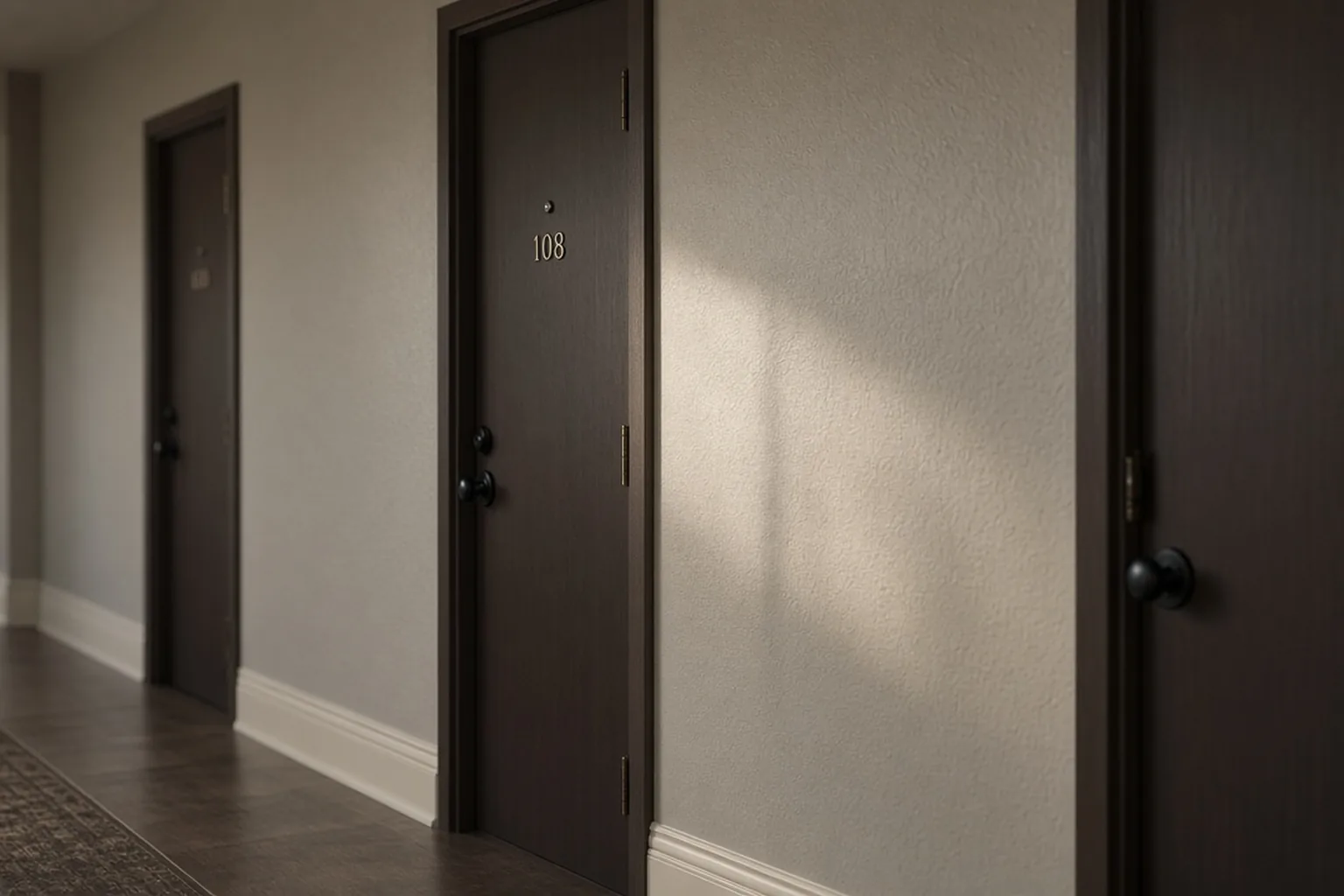 In apartments, spiders move between units through shared walls and utility gaps, so one unit rarely tells the whole story.
Did you know?
Weight for weight, spider silk is stronger than steel.
Spiders can't chew. They liquefy a meal first and drink it.
A 2012 survey of 50 North Carolina homes found spiders in every single one.
Questions people ask
How can I tell if a spider is a brown recluse?
They are light to medium brown and about 1/4 to 1/2 inch long. They are reclusive and found in dry, undisturbed areas. Brown recluses have a violin-shaped dark mark on their back (cephalothorax) and six eyes arranged in three pairs, unlike most spiders that have eight eyes.
Are spider bites always dangerous?
Only black widow and brown recluse bites require medical attention. Many suspected spider bites are actually caused by other insects or skin infections. No. Most spider bites cause mild redness, swelling, and pain that resolves within a few days.
How long does professional spider treatment last?
Residual sprays typically last 2-3 months, while dust treatments can last 3-6 months. Many companies offer a workmanship warranty with follow-up treatment (ask what is included) if spiders return within a specified period.
Can I get rid of spiders without chemicals?
Vacuuming webs and spiders, sealing cracks, reducing clutter, and using sticky traps can help. However, for venomous spiders or large infestations, professional treatment is more effective. Yes, for minor issues.
Why do I see more spiders in the fall?
In late summer and fall, male spiders leave their webs to search for mates, making them more visible as they wander indoors. Females also seek sheltered spots to lay egg sacs before winter.
Do spiders return after treatment?
Professional treatments include barriers that reduce re-entry, and many companies offer follow-up visits if needed. Prevention measures like sealing gaps also help. It's possible if new spiders enter from outside or if treatment degrades.
Is spider control safe for children and pets?
Treatments are applied to cracks and crevices, not exposed surfaces. Keep children and pets away during application, and allow the treatment to dry before re-entering. Professional pest control companies use products approved by the EPA and follow safety guidelines.
Why are there so many spiders in my basement?
Basements are dark, damp and undisturbed, with plenty of prey. Reducing moisture and clutter is the most useful first step. Basements are the room where spiders are most likely to be. In a 2012 study by Bertone and colleagues, entomologists searched 50 North Carolina homes and found spiders in 92.6% of the 54 basements they inspected, more than in any other room type.
Is monthly spider control worth it?
In Homeowners, most spiders are harmless and beneficial, so the goal is usually to remove the webs and egg sacs and reduce the insects they feed on. In Homeowners, only the black widow and brown recluse are medically significant in the U.S., and they are identified by their markings.
Sources (11)
The facts in this article come from the public sources listed above. Every home is different, so ask the company you talk to about pricing and what’s included. Published by Spider Exterminator · Updated September 11, 2026 · How we write these guides